What if Your To-Do List Could Help You Connect With Your Partner—Not Just Check Off Chores?
How often do you and your partner end up frustrated over unspoken expectations? You assume they’ll take out the trash. They think you’re handling dinner. Suddenly, it’s not about the chores—it’s about feeling unseen. But what if the same tool you use for work tasks could quietly strengthen your relationship? I discovered that a simple task manager didn’t just organize our week—it reshaped how we communicate, share responsibility, and support each other. It wasn’t magic, just a small shift in how we used technology. And honestly? It changed everything.
The Hidden Tension in Shared Lives
Let’s be real—most of us didn’t sign up for marriage or long-term partnership to keep score. We wanted connection, teamwork, and a life built together. But somewhere between grocery shopping, laundry, and school pickups, the little things start to pile up—literally and emotionally. I remember one rainy Tuesday when I came home exhausted after a long day, only to find the trash hadn’t been taken out. Again. I didn’t say anything at first, but my silence wasn’t peace—it was resentment building quietly, like steam in a pressure cooker.
Later that night, it spilled out. “I just wish you’d notice these things,” I said, my voice shaking a little. My partner looked genuinely confused. “I thought you were doing it,” they replied. And just like that, a simple chore turned into a conversation about being seen, valued, and understood. We weren’t fighting about trash. We were fighting about care.
What we didn’t realize then was that this wasn’t an isolated incident. Researchers and relationship experts often talk about “invisible labor”—those mental and emotional tasks that keep a household running but rarely get acknowledged. It’s not just doing the dishes; it’s knowing when the sponges need replacing. It’s not just feeding the kids; it’s remembering the school fundraiser is tomorrow. This kind of labor often falls unevenly, and when it does, one person starts to feel overloaded while the other feels unappreciated. The truth is, most couples aren’t lazy or indifferent. They’re just operating without a shared system.
We were no different. Our tools? Sticky notes on the fridge, half-remembered conversations, and a lot of assumptions. None of it worked consistently. And every time something slipped through the cracks, it didn’t just create extra work—it created distance. I began to wonder: what if we treated our home like a well-run team? Not in a corporate, soulless way, but with the same clarity and fairness we’d expect at work? That’s when I brought the idea of a shared task app into our home—and honestly, I wasn’t sure how it would go.
From Work Tool to Relationship Ally
I’d been using a task management app at work for years—nothing fancy, just a simple platform where my team could assign, track, and complete projects. It helped us stay on the same page without constant emails or meetings. One evening, after yet another miscommunication about who was picking up the dog from the vet, I mentioned offhand, “You know, we could just assign that in the app I use for work.” My partner raised an eyebrow. “You want to manage our marriage like a project?”
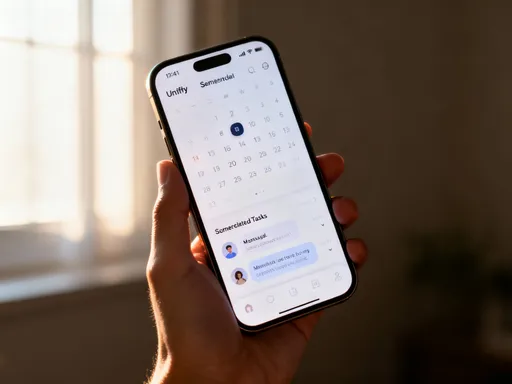
I laughed, but I wasn’t joking. I showed them how it worked—how tasks could be assigned, deadlines set, and progress tracked. We started small: dog pickup, grocery run, and taking out the recycling. At first, it felt a little strange, almost too structured for home life. But within a week, something shifted. Instead of me nagging or dropping hints, my partner saw the task was assigned to them and took care of it—without tension. No guilt. No passive-aggressive texts. Just action.
What surprised me most was how it actually improved our communication. Because the app handled the logistics, we didn’t need to argue about who was supposed to do what. That freed us up to talk about other things—how our days were going, what we were looking forward to, even the little things we appreciated about each other. The tool didn’t replace our conversations; it protected them from being derailed by chores.
We also started using the reminder notifications not as demands, but as gentle check-ins. When my partner got a notification about the vet visit, they’d sometimes text me, “On my way!” That small gesture felt warm, not robotic. Over time, I realized we weren’t just managing tasks—we were building trust. Each completed item was a quiet “I’ve got this,” and each acknowledgment was a “Thank you for being part of this life with me.” The app didn’t create our teamwork. It simply made it visible.
The Unexpected Feature That Changed Everything
If I’m honest, I didn’t expect much from the comment section of the task app. At work, we used it for quick updates: “Vendor confirmed,” “Need more info,” that kind of thing. But when I started using it at home, something beautiful happened. One evening, I opened the app and saw a note under the “Grocery Run” task: “Thanks for handling groceries—you remembered the oat milk! 🥛💖”
That tiny message hit me like a warm hug. No one had ever thanked me for buying oat milk before. But in that moment, it wasn’t about the milk. It was about being seen. I smiled, saved the comment, and later showed it to my partner. “You have no idea how much this meant,” I said. From then on, we started using the comment feature differently. Instead of just task updates, we left little notes of appreciation, encouragement, and even humor.
When I cleaned the oven (a rare and dreaded event), my partner wrote: “Hero status achieved. Treat earned. 🦸♀️🍫” When they mowed the lawn in the rain, I replied: “Sacrifice. Dedication. Also, please come in and dry off. ❤️☔” We added emojis, inside jokes, and occasional voice notes. What began as a functional tool slowly transformed into a digital love letter thread—one that lived inside our to-do list.
This shift wasn’t just emotional—it was practical. Because we were expressing appreciation regularly, the atmosphere at home changed. We weren’t just completing tasks; we were reinforcing connection. The app became a safe space where care could be expressed without pressure. No need to wait for anniversaries or grand gestures. Love showed up in the comments section of a grocery list. And honestly? That felt more real than any candlelit dinner ever did.
How Clarity Builds Intimacy
It sounds strange, but knowing exactly who takes out the recycling on Wednesdays actually brought us closer. When responsibilities are clear, there’s no room for assumptions—and without assumptions, resentment has less to feed on. I stopped keeping a mental list of “all the things I do” because now, it was all visible, fair, and shared. My partner wasn’t ignoring chores; they just didn’t know they were theirs. And once we clarified that, everything changed.
What we gained wasn’t just a cleaner house—it was emotional space. That might sound dramatic, but it’s true. When you’re not constantly tracking who did what, you have more energy for laughter, for deep conversations, for simply enjoying each other’s company. We started having more date nights, not because we suddenly had more time, but because we weren’t spending our evenings untangling misunderstandings.
Structure didn’t make our relationship cold or mechanical. It did the opposite. It created a container for warmth. Like a well-set table doesn’t ruin a family dinner—it makes it possible. By removing the daily friction of miscommunication, we made room for the things that truly matter: connection, presence, and joy. We weren’t just surviving together—we were thriving.
And here’s the thing I didn’t expect: clarity made us more romantic. Without the background noise of unresolved chores, we noticed each other more. A simple “I made tea for you” or “I saved you the last cookie” felt more meaningful. We weren’t distracted by unmet expectations. We were free to be kind, spontaneous, and present. Technology, in this small way, didn’t distance us—it brought us closer to what love really is: daily care, expressed in a thousand tiny ways.
Making It Work for Your Relationship
If you’re curious about trying this, I’d say start small. Don’t try to digitize your entire life overnight. Pick three recurring tasks—maybe trash day, grocery shopping, and pet care—and assign them together. Sit down with your partner, open the app, and make it a joint decision. This isn’t about one person taking control; it’s about building a shared system.
Choose a tool that’s simple and user-friendly. You don’t need anything with complex features or a steep learning curve. Look for one that allows shared visibility, real-time updates, and gentle notifications. Many popular apps offer free versions that are more than enough for household use. The key is consistency, not complexity.
Next, create a weekly ritual. We call ours “The Sunday Sync.” Every Sunday morning, we sit with coffee, open the app, and review the week ahead. We reassign tasks if needed, add new ones, and celebrate what we completed. It takes less than ten minutes, but it sets the tone for the week. It’s not a chore—it’s a moment of connection. We talk, we laugh, we plan. And yes, we sometimes argue about who forgot to reply to the school email—but now, it’s lighthearted, not loaded.
Most importantly, use the comment feature to express gratitude, not criticism. Instead of “Why didn’t you do this?” try “Thank you for taking care of this—I noticed.” Small shifts in tone make a big difference. And if your partner forgets something? Resist the urge to nag. Let the app remind them. Trust the process. Over time, this practice builds a culture of appreciation, not accountability.
Beyond the Household: Shared Goals and Growth
Once we got comfortable using the app for chores, we started expanding it. We created a project called “Our Year of Adventure” and added goals like saving for a beach trip, trying one new recipe a month, and walking 10,000 steps together three times a week. We even added a fun challenge: learn five phrases in Italian before our trip to Tuscany.
Tracking these goals together changed how we approached them. Instead of vague intentions, we had clear milestones. When we hit $500 in our travel fund, the app sent us both a celebration notification. We high-fived and ordered takeout. When we completed our 20th walk, we added a photo to the task comment: two tired but happy people on a sunset trail. These small wins, recorded and celebrated, kept us motivated.
But more than that, it deepened our sense of partnership. We weren’t just sharing a home—we were building a life. The app became a shared vision board, a place where our dreams lived alongside our to-do lists. It reminded us that we’re on the same team, working toward the same future.
Even our personal growth became something we could support each other in. When I started a mindfulness practice, I added it as a recurring task. My partner began leaving encouraging notes: “Proud of you for showing up today.” When they started journaling, I replied, “Can’t wait to hear what you’re discovering.” These weren’t grand gestures—they were quiet acts of love, woven into the fabric of our daily lives.
A Smarter, Softer Way to Live Together
Technology often gets a bad rap for pulling us apart—distracting us from real connection, making us cold, distant, or addicted to screens. But what if we used it differently? What if we chose tools not to replace human connection, but to protect and deepen it? That’s what happened for us. A simple task app didn’t just organize our chores. It helped us communicate better, appreciate each other more, and show up with intention.
Love isn’t always in the grand declarations. Sometimes, it’s in the oat milk you remembered, the task you completed without being asked, or the “thank you” you left behind. It’s in the quiet moments of care that build a life together. And when technology helps those moments happen more often, it’s not cold or impersonal—it’s deeply human.
I won’t pretend we never argue or that everything is perfect. But now, when tension arises, it’s less about chores and more about real issues—how we’re feeling, what we need, where we’re growing. We have more space for that because the little things are handled.
If you’re feeling overwhelmed, unseen, or stuck in the daily grind, I invite you to try this. Not because you need another app, but because you deserve a relationship where care is visible, shared, and celebrated. Start small. Be kind. Use technology not to manage each other, but to support each other. Because in the end, the best tools aren’t the ones that make life efficient—they’re the ones that make it richer, softer, and full of love.