Tired of Losing Touch with Old Friends? This Streaming Habit Brought Us Back Together
We’ve all been there—scrolling through old photos, wondering how that college roommate is really doing, or if your childhood best friend still remembers your inside jokes. Life gets busy, and staying connected feels harder than it should. But what if a simple tech habit could quietly bring those precious relationships back to life? I discovered an unexpected way to rekindle old bonds, not through forced check-ins, but through something warm, spontaneous, and surprisingly human. It wasn’t a scheduled Zoom call or a long-overdue text. It was a quiet moment on a rainy afternoon, watching someone I hadn’t spoken to in years bake banana bread on a live stream—and suddenly, it felt like no time had passed at all.
The Slow Drift: How Life Pulls Us Away from Old Friends
Remember those days when friendship meant late-night phone calls, shared lunches between classes, or just showing up at each other’s doors without warning? Those connections felt effortless. But as we grow older, life begins to pull us in different directions—careers take off, families form, moves happen, and suddenly, the people who once felt like home start to fade into the background. It’s not that we stop caring. In fact, most of us carry those friendships in our hearts, tucked away like favorite sweaters we don’t wear anymore. The truth is, we just stop knowing how to reach out.
How many times have you opened a text thread with an old friend, typed a message, and then deleted it? Maybe you thought, It’s been too long. What would I even say? Or worse, you sent a message and got no reply, leaving you wondering if the connection was truly gone. These moments aren’t just awkward—they carry real emotional weight. We weren’t built to lose people quietly. Yet modern communication often makes it worse. Social media feeds show us curated highlights of others’ lives, making us feel even more disconnected. A birthday post with 200 comments but no personal message? That can sting. Messaging apps turn conversations into to-do lists: Catch up? Remind me. It starts to feel like friendship has become another chore, another item on the never-ending list of things we’re supposed to do.
And yet, when we do reconnect, it often feels like coming home. That laugh, that way they say your name, the comfort of shared history—it’s all still there. The problem isn’t that we’ve moved on. The problem is that we’ve lost the easy, everyday ways of being together. We need a new rhythm, one that doesn’t demand big efforts or perfect timing. What if the answer isn’t in trying harder, but in showing up—softly, gently, without pressure?
The Accidental Discovery: How I Found an Old Friend on a Live Stream
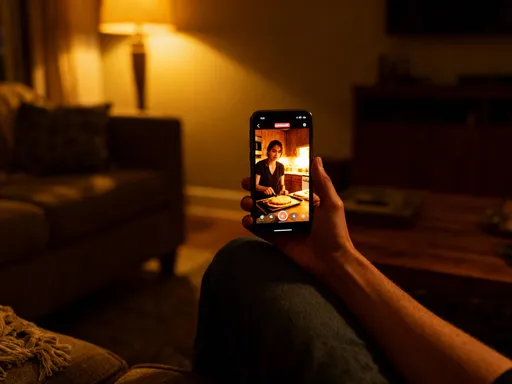
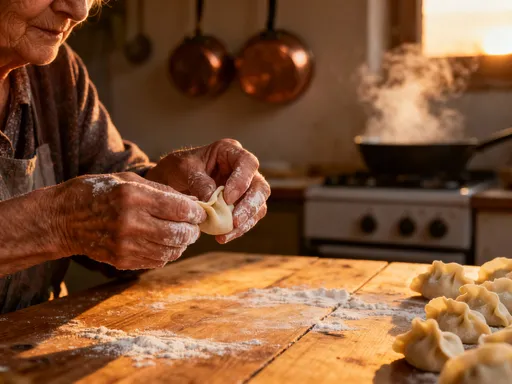
It started on a quiet Sunday afternoon. Rain tapped against the windows, my kids were napping, and I was scrolling through a live streaming app—just looking for something calming, maybe a cooking demo or a gardening session. Then, out of nowhere, I saw her. Sarah. My high school best friend. There she was, in her kitchen, flour on her hands, laughing at something her dog did, while mixing a bowl of batter. The stream title read: “Rainy Day Banana Bread & Life Updates.” I froze. I hadn’t spoken to her in nearly seven years. We’d exchanged a few birthday wishes over Facebook, but that was it. And now, here she was, live, real, unfiltered.
I didn’t know what to do. Should I comment? Would she even remember me? My finger hovered over the screen. Then, without thinking, I typed: “That looks amazing. And is that the same blue mixing bowl from Mrs. Thompson’s home ec class??” Within seconds, she looked up, squinted at the screen, and then broke into the biggest smile. “No way! Is that really you?” she said, waving. “Yes, it’s me!” I replied, laughing. “And I still have that same stupid apron from the school bake sale!”
In that moment, something shifted. It wasn’t a formal reunion. There was no pressure to explain where the years went or to summarize a decade of life in five minutes. We just… picked up. She showed me her sourdough starter (named “Steve”), I told her about my daughter’s obsession with dinosaurs, and before I knew it, an hour had passed. And the best part? I didn’t have to initiate it. I didn’t have to send a vulnerable text into the void. I just showed up—and so did she. That night, I realized something powerful: live streaming isn’t just entertainment. It’s a new kind of connection. Not performance. Not perfection. Just presence.
Why Live Streaming Feels Different from Texts or Social Media
Let’s be honest—most of our digital interactions feel transactional. A text message demands a reply. A social media post feels like a performance. Even a phone call requires energy, scheduling, and the pressure to “be on.” But live streaming? It’s different. It’s more like walking past a friend’s window and seeing the light on. You don’t have to knock. You don’t have to stay long. But you can wave. You can say hi. And that small gesture means more than we realize.
What makes live streaming so special is its low-pressure authenticity. When someone streams, they’re not posting a filtered photo or crafting the perfect caption. They’re in the middle of life—cooking, painting, walking their dog, reading a book. And when you watch, you’re not interrupting. You’re just there. You can comment, react, or simply observe. There’s no expectation. No guilt if you leave early. No awkward silence. It’s the digital equivalent of sitting together on the porch, sipping tea, not needing to fill every second with words.
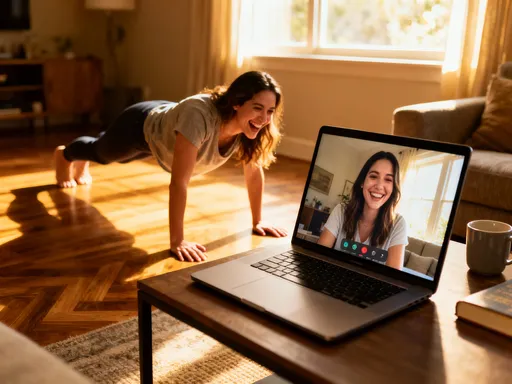
I’ve noticed that my most meaningful reconnects have happened this way—through these quiet, unscripted moments. One friend streams her morning yoga routine. I don’t always comment, but I show up most weeks. Last month, she said, “I always smile when I see your name in the viewer list. It feels like you’re right here with me.” That hit me deep. Because I feel the same way. It’s not about the content. It’s about the shared space. It’s about saying, without words, I see you. I remember you. I’m still here. In a world where we’re constantly asked to perform, this kind of gentle, consistent presence feels revolutionary.
Building a Routine: Turning Passive Watching into Meaningful Connection
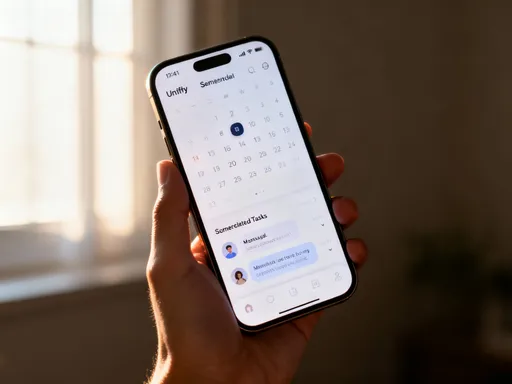
After reconnecting with Sarah, I started paying more attention to the people I cared about who streamed. A former coworker shares her pottery projects every Thursday night. My cousin in Colorado streams her hikes on weekends. At first, I was just a viewer—silent, passive. But then I made a small change: I started showing up on purpose. I marked their stream times on my calendar. I made tea, sat down, and watched—really watched. And slowly, something beautiful happened. I began reacting more. Sending a heart. Commenting, “That glaze is stunning!” or “Love your playlist today.”
Those tiny interactions started to rebuild the bridge. One night, after several weeks of watching, my coworker said, “Hey, I feel like I’m getting to know you all over again.” That surprised me. I hadn’t said much. But my consistent presence had spoken louder than words. From there, we started exchanging voice notes. Then a quick call. Now, we’re planning a visit next summer. All because I showed up—not perfectly, not dramatically, but regularly.
The lesson here is simple: consistency builds connection. You don’t need grand gestures. You don’t need to explain the silence of the past. You just need to be there, in whatever small way feels right. Think of it like watering a plant. One drop won’t revive it overnight. But over time, with care, life returns. The same is true for friendships. A weekly stream view. A simple comment. A shared laugh over a pet’s antics on camera. These aren’t small things. They’re the quiet threads that stitch relationships back together.
Creating Your Own Space: Starting Simple with a Casual Stream
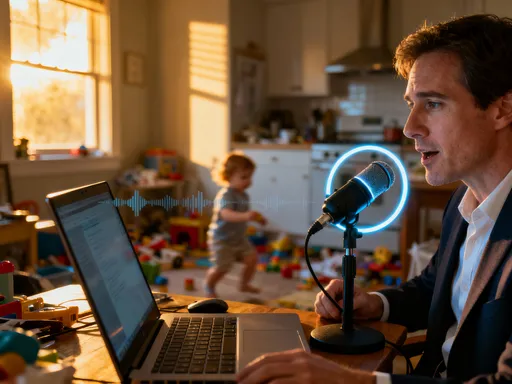
After months of watching, I finally hit the “Go Live” button myself. And let me tell you—I was terrified. What if no one showed up? What if I had nothing to say? What if I looked silly? But my daughter, who’s nine, looked at me and said, “Mom, you’re always telling me to just try things. So try it.” So I did. I set up my phone in the kitchen, lit a candle, and started a stream called “Weeknight Wind-Down: Tea & Talk.” I didn’t have a script. I just talked—about my day, my favorite book, the funny thing my dog did that morning.
To my surprise, three friends tuned in. One was Sarah. Another was my sister. The third? A college friend I hadn’t spoken to in years. Afterward, she messaged me: “Seeing you just… be yourself made me miss you so much. Can we talk soon?” We did. And it was easy. Because she’d already seen me. She’d seen my messy bun, my cozy sweater, my real self—not a highlight reel.
You don’t need fancy equipment. You don’t need thousands of followers. All you need is a quiet corner, your phone, and the willingness to be seen. Start small. Pick a theme that feels natural—baking, gardening, journaling, folding laundry, even just sipping coffee in the morning. Choose a platform that feels comfortable—many apps make live streaming simple and private, so you can invite only the people you want. Tell a few friends when you’ll be on. And then, just show up. The magic isn’t in the production. It’s in the permission—to be imperfect, to be present, to say, Here I am.
The Ripple Effect: When One Stream Reconnects an Entire Circle
What I didn’t expect was how one small stream could spark something bigger. After my first live session, Sarah started inviting more people to her baking streams. My cousin shared my wind-down stream with our old friend group. Suddenly, our long-dead group chat started lighting up again. Not with formal updates or event planning, but with real, warm exchanges: “I saw you dancing in your kitchen last night—made my day!” or “I tried your banana bread recipe—Steve the starter is now part of our family.”
It wasn’t forced. No one was pressuring anyone to catch up. But because we were all showing up in these small, authentic ways, the connection began to flow again. We started scheduling regular watch parties. We sent each other little care packages—homemade jam, a favorite book, a candle that smelled like our childhood hometown. The digital space had become a doorway back to real, tangible closeness.
One evening, we even hosted a joint stream—five of us, each from our own homes, sharing tea, stories, and silence. No agenda. No pressure. Just being together. My daughter peeked in and said, “Mom, it’s like you’re all in the same room.” And she was right. That’s the power of this simple habit. It doesn’t replace in-person time. But it keeps the door open. It says, You’re still part of my world. And when life finally slows down, we won’t have to start from scratch. We’ll already be together, just in different places.
More Than Just Video: The Quiet Power of Showing Up
In a world that celebrates speed, efficiency, and productivity, this kind of slow, gentle connection feels radical. We’re taught to optimize, to automate, to do more in less time. But friendship? That can’t be rushed. It can’t be scheduled into a 15-minute call between meetings. What live streaming taught me is that the most powerful thing we can offer each other is presence. Not perfect words. Not grand plans. Just the quiet, consistent message: I’m here. I see you. You matter to me.
This isn’t about becoming a content creator. It’s not about growing an audience or going viral. It’s about reclaiming the simple joy of being known. Of hearing someone laugh in real time. Of sharing a moment without having to explain why it matters. It’s about creating spaces where we don’t have to perform—where we can be tired, messy, joyful, or quiet, and still be welcomed.
So if you’ve been missing someone, wondering if they still think of you, or if the bond is still there—try this. Find them on a stream. Start one yourself. Show up, even if it’s just to watch. Let them see your name in the viewer list. Send a simple “hello.” Let that be enough. Because sometimes, the smallest gesture is the one that brings everything back. In a world that’s always moving, sometimes the bravest thing we can do is simply stay visible. And in that visibility, we find each other again—not as we were, not as we thought we should be, but as we are. Together, across the screen, heart to heart.