Watched 3 Kids’ Screen Time for 2 Weeks: The App That Finally Brought Peace to Our Family Evenings
Remember those peaceful family evenings you used to imagine? Ours were hijacked by endless screen battles—“Just five more minutes!” turned into hour-long fights. I felt guilty about their eyes, stressed about the chaos. Then we tried an eye protection app most parents overlook. Within days, screen time became calmer, kids blinked more, and no one argued at dinner. This isn’t about banning devices—it’s about making them work *for* your family, not against it. What changed wasn’t just a tool. It was how we finally found balance, without constant nagging or guilt. And if you’ve ever felt like your home belongs to the tablet, this might be exactly what you need.
The Evening That Made Me Snap
It was a Tuesday—nothing special, except that everything felt broken. I had spent an hour making a simple pasta dish, trying to create that warm, cozy dinner moment I see in ads. But when I called everyone to the table, only my youngest showed up. The other two were buried in their devices: one scrolling through videos, the other lost in a game that seemed impossible to pause. I called again. Then again. By the time they finally sat down, the food was cold, and my patience was gone.
But it wasn’t just the cold dinner that got to me. It was the look in their eyes—dull, tired, unfocused. My 10-year-old rubbed his temples and said, “My head hurts.” My 14-year-old didn’t even look up when I asked how school was. That’s when it hit me: we weren’t living with technology. We were surviving it. I started to wonder—was screen time slowly stealing our connection? Were their eyes suffering without us even noticing? That night, I made a quiet promise: no more just yelling. I needed a real plan—one that didn’t leave me feeling like the bad guy every single evening.
Why Rules Alone Don’t Work (And What Does)
We had tried everything. Timers. Countdown warnings. “Five more minutes” threats. We even had a “no screens at dinner” rule—on paper. But in practice? It was a battlefield. My kids would sneak glances, beg for extensions, or argue that their show was educational (which, sometimes, it actually was). I started dreading screen time like it was a war I was destined to lose. And honestly, the constant policing made me feel like a warden, not a mom.
What I didn’t realize then was that the problem wasn’t just the screens. It was the way we were managing them. Rules alone don’t teach awareness. They create resistance. The more I enforced, the more they rebelled. Then I read something that changed my thinking: kids don’t need more control taken away. They need tools that help them manage themselves. That’s when I discovered an app focused on eye health—not screen shaming, not locking devices, but gentle, science-backed reminders to rest. And the difference? It didn’t feel like a punishment. It felt like support.
Instead of me saying, “Turn it off,” the app would chime softly: “Time to give your eyes a break! Look at something 20 feet away for 20 seconds.” Simple. Kind. Hard to argue with. My kids didn’t roll their eyes—they actually followed it. Why? Because it wasn’t me controlling them. It was a neutral voice helping them care for their bodies. That shift in tone made all the difference. Trust started to rebuild. And for the first time, screen time didn’t feel like a fight.
How One App Transformed Our Screen Habits
The app we started using is built around the 20-20-20 rule—a real eye health principle recommended by optometrists. Every 20 minutes, you look at something 20 feet away for 20 seconds. It sounds simple, but most of us forget. Especially kids. The genius of this app is that it makes the rule effortless. It runs quietly in the background and gives a friendly alert when it’s time to pause. No alarms. No countdowns. Just a calm nudge, like a little digital coach.
At first, I worried my kids would ignore it or get annoyed. But the opposite happened. Because the break was short—just 20 seconds—and the prompt was kind, they actually listened. My 8-year-old started calling it “the blink break” and would race to the window to spot birds or clouds. My teenager, who usually hates anything that feels “lame,” admitted it helped his focus during homework. “I don’t feel as fuzzy after,” he said. That’s when I knew it was working—not because I said so, but because they felt it too.
What really surprised me was how quickly it became routine. After a few days, they didn’t wait for the alert. They’d say, “I think my eyes need a break,” and just get up. No prompting. No arguing. That self-awareness was something I couldn’t teach with rules. But this little app? It helped them learn it on their own. And that’s the kind of habit that lasts.
Making It Work for Every Age (Yes, Even Toddlers)
One of my biggest worries was whether this could work for all three kids. My youngest is only five. My middle child is eight. My oldest is nearly a teenager. They have different attention spans, different interests, different reactions to being told what to do. I didn’t want a one-size-fits-all solution that would either bore the older ones or overwhelm the little one.
Luckily, the app lets you customize settings for each child. For my five-year-old, I turned on the animated version—cute animals pop up and say things like, “Hey Lily, let’s blink together!” She loves it. She’ll giggle and mimic the panda or monkey on screen. It turns eye care into a game. For my eight-year-old, I kept the reminders simple but added a small reward system: after five successful breaks, he gets to pick the family movie for the night. Nothing huge, but enough to make him feel proud.
For my teenager, I knew it had to feel mature. No cartoons. No babyish sounds. So I chose the minimalist alert—a soft chime and a plain message: “Break time. Look away.” He barely notices it, but he follows it. “It’s not annoying,” he said. “It’s like a quiet reminder, not a nag.” That meant everything. Because when tech respects their age and dignity, they’re way more likely to listen. And for me? It meant one tool that worked for all of them—no extra stress, no separate systems.
When Screens and Family Time Finally Coexisted
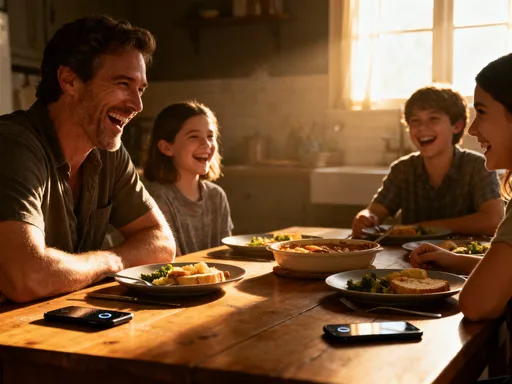
The first week, I noticed something small but powerful: dinner conversations came back. No more one-word answers. No more eyes glued to laps. My kids started talking—about school, their friends, even silly jokes. I realized how much we’d lost in the silence of scrolling. But it wasn’t just dinner. Evenings started to feel different. We began taking short walks after dinner. “Let’s go see if the moon’s out,” my youngest would say. And no one argued about missing their show.
I used to think the solution was to get rid of screens. But this taught me something better: the problem wasn’t the devices. It was the lack of boundaries. Without structure, screens take over. But with a simple tool that creates natural pauses, they fit into life instead of running it. Now, screen time has a place—after homework, before bedtime, during quiet hours. But it doesn’t own our time. It shares it.
One night, my 14-year-old said something that stuck with me: “I actually like that the app reminds me. It’s like it cares about my eyes.” That hit me hard. Because that’s what I wanted—to teach them to care, not just to obey. And now, they’re not just following rules. They’re learning to listen to their bodies. That’s a skill that will help them long after they leave home.
Beyond Eye Health: What We Gained Unexpectedly
I started this journey because I was worried about eye strain. But what we got was so much more. Within a week, my kids were sleeping better. No more tossing and turning. No more “I can’t turn my brain off” complaints. My youngest stopped waking up with headaches. My teenager said he felt less tired in the mornings. And honestly? So did I.
But the biggest change was emotional. There was less irritability. Fewer meltdowns over small things. I realized constant screen use wasn’t just tiring their eyes—it was overloading their nervous systems. The breaks gave their brains space to reset. And that calm started to spread through the whole house. I wasn’t yelling as much. They weren’t snapping back. We were all just… easier.
Even more surprising? My kids started talking about their well-being. “I think I need a break,” my eight-year-old would say before the alert even went off. “My eyes feel tired.” That kind of self-awareness is gold. It’s not something you can force. It grows when kids feel empowered, not controlled. This app didn’t just protect their vision. It helped them tune into how they feel—physically, mentally, emotionally. And that’s a lesson no textbook can teach.
Starting Simple: How You Can Begin Tomorrow
If you’re thinking about trying something like this, here’s my advice: start small. Don’t try to fix everything at once. Pick one time of day—maybe after school, when they first grab their tablets, or before bed, when screen use can mess with sleep. That’s where we started. Just one window of time. One device. One rule: when the app says break, we pause.
And here’s the part that really helped: we set it up together. I didn’t install it secretly. I showed them how it works. I let them choose their reminder sounds and break messages. My youngest picked the monkey. My oldest went with the quiet chime. When kids feel part of the process, they’re more likely to cooperate. It’s not “Mom’s rule.” It’s “our system.”
Keep it light. If they forget, don’t scold. Just say, “Hey, did you hear the blink break?” Make it a shared habit, not a test. Progress, not perfection. Some days will be better than others. But over time, those small pauses add up. They create space. They build awareness. And slowly, quietly, they change the rhythm of your home.
Technology That Serves Your Family, Not the Other Way Around
Peace didn’t come from banning screens. It came from using one simple tool to bring balance back. Our evenings aren’t perfect—but they’re softer now. There’s more laughter. More eye contact. Less tension. I’m not a perfect mom, and we still have screen days that run long. But now, we have a way to reset. A way to reconnect.
This app didn’t fix everything. But it gave us something priceless: a way to use technology without losing ourselves to it. It reminded me that tech isn’t the enemy. It’s how we use it. And when we choose tools that support health, respect independence, and protect family time, they stop being distractions. They become helpers.
If you’re tired of the screen battles, know this: you’re not alone. And you don’t have to choose between modern life and family peace. With a small shift—a gentle reminder, a 20-second pause—you can create space for what matters. For real talks. For quiet moments. For being present, together. That’s the kind of calm worth fighting for. And sometimes, it starts with just one tiny app.