It’s Not Just Recipes: How Tech Helped Us Keep Our Family’s Kitchen Alive
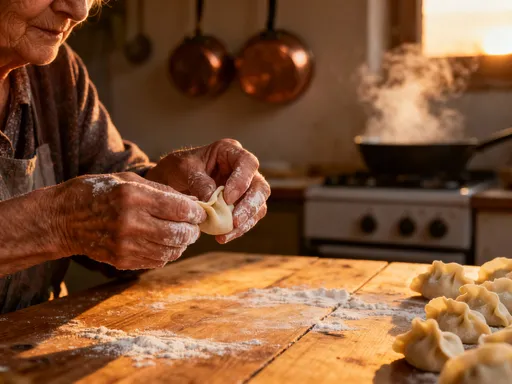
When my grandmother passed, I thought I’d lost more than just her—I’d lost the way her hands moved making dumplings, the secret pinch of sugar in her red bean soup. The kitchen felt silent in a way it never had before. I tried to recreate her steamed buns one Sunday morning, following the stained recipe card she’d left behind. But something was off—the dough was too stiff, the filling too bland. It wasn’t just about measurements. It was her rhythm, the way she hummed while stirring, the way she’d tap the spoon on the edge of the pot like a little song. That’s when it hit me: what if we could keep more than just the words on the page? What if we could preserve the feeling of being in the kitchen with her? With a few simple tools we already had, we began to rebuild what we thought was gone forever. And in doing so, we didn’t just save recipes—we saved a part of ourselves.
The Moment Everything Changed
There’s a kind of quiet that only follows loss. It’s not just the absence of a voice, but the silence where rituals used to live. After my grandmother passed, the kitchen—the heart of our home—felt hollow. I opened her recipe box, a wooden thing with chipped paint, and found cards in her looping handwriting: "for the holiday dumplings," "don’t boil too long or they’ll cry," "use your left hand to stir, it’s luckier." These weren’t just instructions. They were whispers from her world. I decided to make her steamed buns the next weekend, determined to carry on the tradition. But when I tried to knead the dough the way she did, I realized I didn’t know how. I remembered her hands—strong but gentle, moving with confidence—but I couldn’t replicate that motion. The buns came out dry and uneven. My daughter took one bite and said, "It doesn’t taste like Nai Nai’s." That broke me a little. It wasn’t just about the food. It was about missing her presence, her warmth, the way she’d laugh when flour got on her nose. I sat at the table that night, staring at the recipe card, and thought: if only she’d recorded herself. If only I could hear her voice saying, "Now, let it rest for ten minutes—like a nap." That’s when I realized: maybe I could create that for someone else. Maybe the next generation wouldn’t have to wonder what they’d missed. Maybe we could use the tools we already have—our phones, our voices, our love—to keep her alive in the kitchen.
From Paper to Presence: Giving Old Recipes New Life
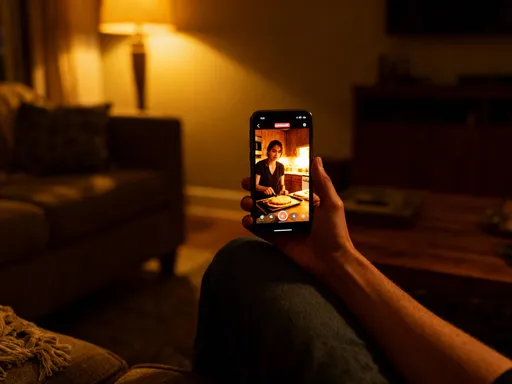
Have you ever held an old recipe card and wished it could talk? Mine were covered in smudges—some from soy sauce, others from fingerprints that had lived through decades. They were fragile, fading. I knew that if I didn’t do something, they’d disappear like smoke. So I started small. I took pictures of each card with my phone, but I didn’t stop there. I began recording voice memos while I cooked, describing not just the steps, but the feelings: "This is how Nai Nai would pinch the dumpling skin—just a little fold here, like tucking in a baby." I filmed short clips of my own hands shaping the dough, talking as I worked, just like she used to. Then I saved everything in a shared folder, labeled with the dish name and a memory: "Red Bean Soup – Winter 1998, when the power went out and we ate by candlelight." What I didn’t expect was how my daughter would react. One evening, she pulled up the video of me making dumplings and said, "That sounds like Nai Nai." I realized the voice memo I’d recorded had picked up the same rhythm, the same pauses, the same little hum between steps. It wasn’t just about the recipe anymore. It was about the presence. We weren’t just passing down ingredients—we were passing down the way she moved, the way she cared, the way she loved us through food. Now, when my niece in another city makes the red bean soup, she listens to the voice note first, like a blessing before cooking. It’s not nostalgia. It’s continuity.
Shared Meals, Different Time Zones
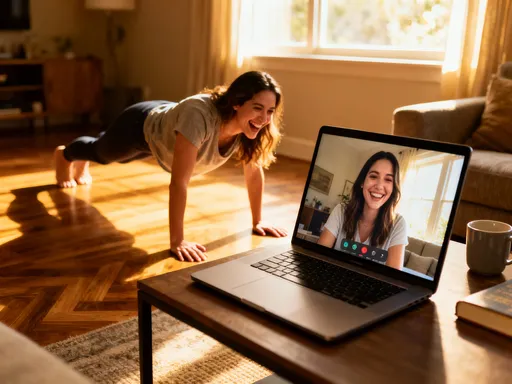
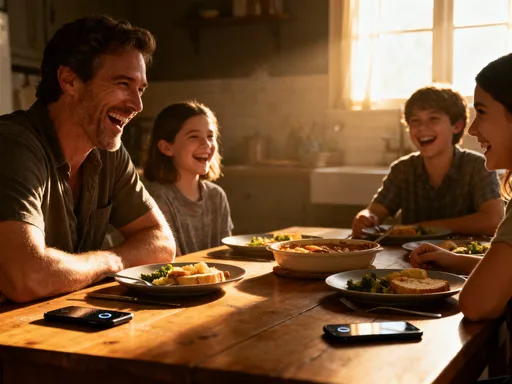
My cousin Lisa lives in Toronto. I’m in Seattle. We used to talk about how much we missed cooking together, especially during the holidays. "I wish you were here," we’d say, and it always felt like a little ache. Then last Thanksgiving, we decided to try something different. We picked one of Grandma’s recipes—her sticky rice stuffing with chestnuts and dried shrimp—and agreed to cook it at the same time, even though we were three hours apart. We used a shared digital folder where we’d saved all the scanned recipes, voice notes, and videos. Before we started, we each listened to the same recording—my grandmother’s voice, slightly crackly, saying, "Don’t skimp on the ginger. It wakes up the flavor." Then we texted each other photos as we worked: "Look, I remembered to toast the chestnuts first!" "My rice is a little too wet—help!" We even video-called while stirring the pot, laughing at how we both had flour on our cheeks. That night, we ate at the same time, held our plates up to the screen, and said, "This is how Nai Nai would’ve wanted it." It wasn’t the same as being in the same kitchen, but it was close. Closer than "I wish you were here." Now, we do this every month—same recipe, same day. Sometimes it’s a simple congee, other times it’s her mooncake filling. The meal becomes a bridge. Our kids start to recognize each other’s voices. My son says, "Cousin Mia stirs it the same way you do, Mom." That’s the magic: tradition doesn’t need to be in one place. It can live across screens, across time, in the way we pass the spoon, in the way we remember.
When Dinner Helps You Sleep Better
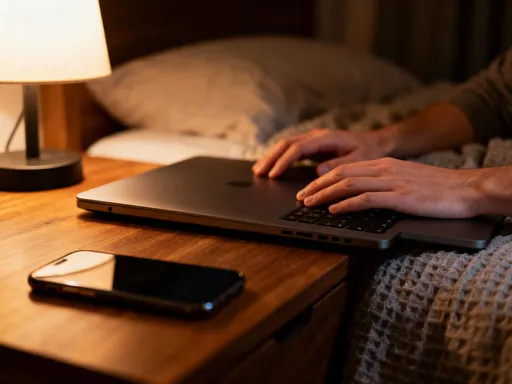
I used to scroll through my phone late at night—endless videos, news, messages. My mind would race, and sleep felt impossible. Then I started replacing that time with something quieter: planning the next day’s meal using our family recipe folder. Instead of doomscrolling, I’d open the folder and listen to a voice note while chopping vegetables in my head. "Use the small knife for the garlic," Grandma would say. "And don’t rush the oil—hear when it shimmers? That’s the moment." Something shifted. The act of reviewing a recipe, of hearing her voice, became a kind of ritual. It wasn’t just about food. It was about returning to a place of calm. Scientists say that consistent evening routines help regulate our circadian rhythms, especially when they involve meaningful, low-stress activities. This was that. Cooking prep became my mindfulness practice. I’d write out the ingredients, imagine the smells, picture my daughter smiling when she tasted it. My breathing slowed. My shoulders dropped. I wasn’t just planning dinner—I was preparing my body for rest. I started sleeping better. Not because I was tired, but because I felt connected. Even on hard nights—when I felt overwhelmed or lonely—I’d pull up a video of my grandmother making her sweet red bean soup and just watch. No sound. Just her hands moving, steady and sure. It reminded me that love doesn’t disappear. It finds new ways to show up. And sometimes, it shows up in the quiet act of planning a meal that someone will eat tomorrow, with joy.
Teaching Kids What Can’t Be Googled
My daughter loves to cook with me. But she doesn’t just want to follow steps. She wants to know why. One day, as I stirred a pot of soup the way my grandmother taught me—slow circles, starting from the center—she asked, "Why do you do it like that?" I paused. I couldn’t find a logical answer. It wasn’t about efficiency. It was about memory. So I showed her a video I’d made of my own hands, with a voiceover: "This is how Nai Nai did it. She said stirring with intention makes the food taste like love." My daughter watched it twice. The next time we cooked, she mimicked the motion, saying, "I’m stirring with intention." That moment hit me: this is how tradition survives. Not through textbooks or search results, but through motion, voice, feeling. We can Google "how to make dumplings," but we can’t Google "how Nai Nai laughed when the dough stuck to her fingers." So we’ve started building a little library of these moments. Short clips of hands folding dumplings, voice tags explaining why we add a splash of rice wine "just before the end," videos of my cousin in Toronto showing how she seasons the broth the way Grandma did. My daughter calls it "the Grandma channel." She watches it when she’s curious, when she misses her, when she wants to feel close. It’s not about perfection. It’s about presence. And in a world where kids learn so much from screens, I’m grateful that some of what she’s learning is love, memory, and the quiet pride of carrying something forward.
The Tools That Actually Work (Without Taking Over)
You might think this sounds complicated—like you need fancy apps or tech skills. But the truth? We used nothing more than what we already had. A smartphone. A free cloud storage folder—like Google Drive or iCloud. Voice memos. The camera. That’s it. We didn’t buy software. We didn’t spend hours editing videos. We just started. First, I picked one recipe—the steamed buns. I took a photo of the card. Then I recorded myself making them, talking as I went: "Now, let it rise for an hour. This is when Nai Nai would sit by the window and drink her tea." I saved it in a folder called "Family Kitchen." Then I shared it with my cousin. She added her own version of the red bean soup, with a voice note from her son saying, "Grandma, I used your spoon!" We kept it simple. No pressure. No rules. The key was consistency, not perfection. If you want to start, here’s what I’d say: pick one recipe that means something to you. Make it. Record yourself—just talk, naturally. Save it with the photo. Share it with one person. That’s enough. You don’t need to digitize everything. You just need to begin. And once you do, you’ll notice something: the tech fades into the background. It’s not about the app. It’s about the voice. It’s not about the file. It’s about the memory. We kept the tools simple so they wouldn’t get in the way of what really matters—connection. And because it was easy, we kept going. Now, we add something new every few weeks. Sometimes it’s a recipe. Sometimes it’s just a story: "This is the soup she made when I was sick." The system works because it feels human, not digital.
More Than a Meal: The Quiet Power of Digital Inheritance
What started as a way to save recipes has become something deeper. These shared files—these voice notes, videos, and photos—have become emotional anchors. On tough days, when I’m tired or missing my grandmother, I’ll open the folder and listen to her voice describing how to pick the ripest melon. It doesn’t fix everything, but it helps. It reminds me I’m not alone. It reminds me that love doesn’t end. It evolves. I’ve noticed something else, too: our family talks more. We text about food, share cooking fails, send voice notes saying, "I tried the sticky rice—you were right about the chestnuts!" My daughter has started recording her own versions of the recipes, adding her twist: "I used less sugar, but I stirred it the way Nai Nai did." That’s the legacy—not perfection, but participation. And here’s something I didn’t expect: I sleep better. Not just because of the routine, but because I feel rooted. I feel like I’m part of something that continues. This isn’t about preserving the past like a museum piece. It’s about using what we have—our voices, our hands, our love—to nourish the present. It’s about showing our kids that they come from a line of care, of flavor, of connection. The kitchen is alive again. Not because we’ve recreated the past exactly, but because we’ve let it live forward. And every time we cook from that shared folder, we’re not just making a meal. We’re saying, "You’re remembered. You’re loved. You’re here." That’s the quiet power of technology—not to replace us, but to help us stay together, one recipe at a time.