More Than a Bin: How Smart Tech Brought Calm to My Evenings
You know that restless feeling before bed—your mind racing, the room too bright, the day’s clutter still nagging at you? I used to lie awake, overwhelmed by small things I’d meant to do. Then I started paying attention not to grand changes, but to tiny tech helpers that quietly improved my nights. It wasn’t just sleep apps—it was how my smart trash bin, of all things, became part of a calmer routine. Let me tell you how small, thoughtful tech made a real difference. I didn’t expect a kitchen appliance to help me sleep better, but here we are. What began as a simple upgrade turned into a deeper shift in how I experience my evenings. It’s not about living in a futuristic home. It’s about feeling more in control, more at peace, and more like myself when the day winds down.
The Nighttime Anxiety No One Talks About
Have you ever laid in bed and suddenly remembered the coffee mug you left on the counter? Or the banana peel you tossed into the trash without closing the lid properly? It’s not a crisis, but it nags. That tiny mental note—"I should’ve…"—can be enough to keep your brain buzzing when you just want to rest. For years, I thought my trouble falling asleep was about stress at work or too much screen time. But the real culprit was something quieter: the unfinished business of daily life. The dishes in the sink. The laundry basket that never quite empties. The trash that smells faintly sour by evening. These aren’t emergencies, but they add up. They whisper, "You didn’t quite finish. You didn’t quite care enough." And that whisper can grow loud in the dark.
What surprised me was how much emotional weight these small messes carried. I wasn’t just cleaning—I was trying to quiet my mind. Every open loop, every visible clutter, felt like a tiny failure. And when I finally climbed into bed, my brain stayed in problem-solving mode. Was the stove off? Did I remember to set the coffee maker? Did I leave food scraps out too long? These thoughts weren’t dramatic, but they were persistent. I began to see that my environment wasn’t helping me transition from "doing" to "being." Instead, it kept me in a low-grade state of alert, like a phone that never fully powers down. I wanted to relax, but my space didn’t support it. The truth is, many of us don’t need a sleep disorder diagnosis to struggle with rest. We just need a little more peace in our physical world. And sometimes, that peace starts with something as simple as a closed trash can.
Discovering the Ripple Effect of Small Tech
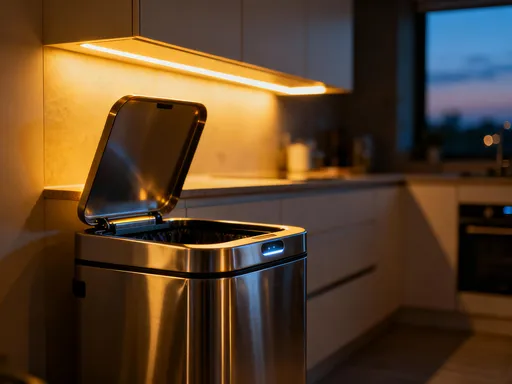
The turning point came when I replaced my old kitchen trash can with a smart one. I didn’t buy it for sleep. I bought it because I was tired of touching the lid with sticky hands. But what started as a convenience turned into something more. The first time the lid opened automatically as I approached with a handful of tea bags, I laughed. It felt silly—like a small luxury. But then I noticed something: I didn’t have to think about it. No more balancing a plate while trying to nudge the lid open with my elbow. No more guessing if it closed completely. That tiny moment of friction was gone.
And that’s when I realized something important: small tech doesn’t have to be flashy to be powerful. It doesn’t need to track your heart rate or analyze your dreams. Sometimes, its power lies in what it removes—the effort, the hesitation, the minor irritation. That smart bin became the first domino. Once I saw how one small change could make my evening smoother, I started looking at other areas. Could my lights adjust on their own? Could the air in my bedroom feel fresher without me remembering to turn on a purifier? I wasn’t trying to build a smart home for the sake of it. I was trying to build a home that helped me feel calmer, especially when I was tired. And slowly, piece by piece, I found tools that did just that. Each one was small on its own, but together, they changed the rhythm of my nights.
How a Trash Bin Became Part of My Wind-Down Routine
I know it sounds strange to say a trash bin became part of my self-care routine. But it did. There’s something deeply satisfying about a kitchen that feels clean and closed at the end of the day. And this little device—quiet, responsive, reliable—helped me get there without effort. Before, I’d avoid late-night cleanups because opening the trash felt like a chore. Now, it’s seamless. I walk over, the lid glides open, I drop in the scraps, and it closes with a soft hum. No mess. No smell. No second thought.
What I didn’t expect was how that small action started to feel like a ritual. It wasn’t just about disposal—it was about closure. Every time I used it, I was signaling to myself: "This day is done." The bin has a built-in odor filter, so the kitchen stays fresh. It compacts the trash, so I don’t have to empty it as often. And because it’s touch-free, I never have to worry about germs or sticky residue. These aren’t huge changes, but they add up. They remove the little frustrations that used to pile up in my mind. Now, when I do my final kitchen check before bed, I don’t feel dread. I feel satisfaction. That shift—from stress to peace—is what makes this more than just a gadget. It’s a quiet act of care, built into the design of an ordinary object. And in a world that often feels too loud, too busy, too demanding, those quiet acts matter more than we realize.
Pairing Practical Tools with Mindful Habits
Here’s what I’ve learned: technology alone won’t fix your sleep. But when it supports a habit, it can make that habit easier to keep. My smart trash bin didn’t magically calm my mind. But it created space for a new routine. Now, every night, I take a few minutes to clear the kitchen. I wipe the counters. I load the dishwasher. And I empty the compost bin into the smart trash. As I do it, I breathe. I notice the quiet. I feel the cool floor under my feet. This isn’t multitasking—it’s mindfulness in motion. And the bin, with its smooth, automatic response, makes the moment feel intentional, not rushed.
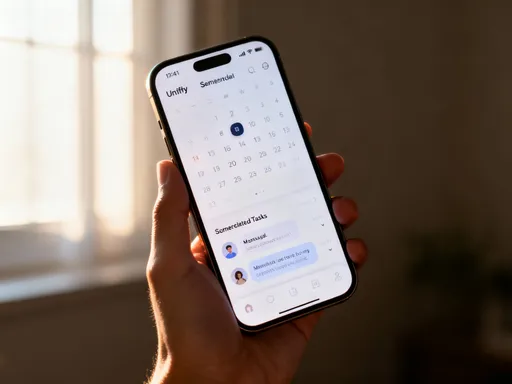
I also use a simple sleep app that sends a gentle reminder at 8:30 p.m. to start winding down. But the app doesn’t do the work. The work happens when I respond to that reminder by turning off the bright lights, brewing a cup of chamomile, and doing my kitchen reset. The tech doesn’t replace the habit—it supports it. It’s like having a quiet partner who knows your rhythm and helps you stay on track. Over time, these small actions became cues for my brain: "It’s time to slow down. You’re safe. You’re cared for." That sense of being looked after—both by myself and by the tools I’ve chosen—has made a bigger difference than any single gadget ever could. The bin isn’t smart because it has sensors. It’s smart because it helps me be more present, more peaceful, more in tune with my own needs.
Building a Sleep-Friendly Home, One Small Change at a Time
Once I saw how one small tech upgrade could improve my evenings, I started thinking about the bigger picture. What if my whole home could feel this supportive? I didn’t want a high-tech fortress. I just wanted a space that helped me feel calm. So I made a few more thoughtful changes. I installed smart bulbs that gradually dim in the evening, shifting from bright white to a warm, candle-like glow. I set them to turn on at sunset, so I never have to remember. I added a white noise app that plays soft rain sounds through a small speaker in my bedroom. And I connected my air purifier to a schedule so it runs quietly at night, keeping the air fresh without me lifting a finger.
But the real magic happened when these tools started working together. Now, as the lights dim, the purifier hums to life, the white noise begins, and I do my kitchen cleanup with the help of my smart bin. There’s no chaos. No decisions. No effort. It’s a seamless flow from activity to rest. I’ve reduced what experts call "decision fatigue"—that mental exhaustion from making too many small choices. At night, when my energy is low, I don’t want to decide whether to take out the trash or turn on the purifier. I want my home to do it for me, gently and reliably. And now, it does. This isn’t about luxury. It’s about kindness. It’s about designing a life that respects your tiredness, your time, and your need for peace. And the best part? These changes didn’t happen overnight. They grew slowly, one small fix at a time, each one building on the last.
What I Learned About Comfort, Care, and Control
Looking back, I realize that my struggle with sleep wasn’t really about sleep at all. It was about feeling out of control. It was about the constant pressure to do more, to be more, to keep everything perfect. And when I couldn’t, I felt like I’d failed. But what I’ve learned is that control doesn’t come from doing everything yourself. It comes from creating a life that supports you—especially when you’re too tired to fight for it. My smart trash bin, of all things, taught me that. It’s a small thing, but it represents something bigger: the idea that I deserve ease. That I don’t have to earn peace by being perfect.
Comfort isn’t about fancy furniture or expensive gadgets. It’s about the little things that make life flow. It’s about a kitchen that stays fresh. A bedroom that feels calm. A home that helps you breathe. And when your environment feels cared for, you start to feel cared for too. That sense of safety—of being in a space that loves you back—is what allows true rest to happen. I used to think self-care meant face masks and long baths. Now I see it in the quiet moments: emptying the trash without effort, walking into a softly lit room, breathing in clean air. These are acts of care, too. And they matter just as much. The tech didn’t change my life because it was advanced. It changed my life because it helped me feel seen, supported, and gently guided toward peace.
Starting Your Own Quiet Revolution at Home
If you’re reading this and thinking, "I could never get my home to do all that," I hear you. I felt the same way. You don’t need to buy everything at once. You don’t need to become a tech expert. You just need to start with one thing—one small source of friction in your evening routine. Maybe it’s the way you have to turn on three different lights before bed. Maybe it’s the way your trash smells by midnight. Maybe it’s the way you forget to close the windows and the room feels stuffy. Whatever it is, pay attention. Notice how it makes you feel. And then ask yourself: Is there a simple tool that could make this easier?
It might be a motion-sensor trash can. It might be a smart plug that turns off your coffee maker automatically. It might be an app that reminds you to stretch or drink water. The tool doesn’t matter as much as the intention behind it. You’re not buying gadgets. You’re building a home that helps you feel calm. You’re giving yourself permission to rest without guilt. And you’re saying, quietly but firmly, that your peace matters. Progress isn’t measured by how many devices you own. It’s measured by how you feel when the day ends. Do you feel lighter? More settled? More like yourself? That’s the real goal. And it’s possible, one small, smart change at a time. So take a look at your evenings. What’s one thing that could be easier? Start there. Let that small win lead to another. And watch, as I did, how a little tech, used with care, can bring a lot of peace. Because you don’t need a perfect home to feel at peace. You just need a few thoughtful touches that say, every night: "You’re home. You’re safe. You can rest now."