Beyond the Inbox: How Email Tools Gave Me Back My Evenings and Peace of Mind
You know that urge to check your email one last time before bed? I used to lie awake, scrolling through messages, feeling guilty for unfinished tasks. It wasn’t just about work—it was the mental clutter that followed me into sleep. The unread notifications, the half-written replies, the looming to-do list hiding in my inbox—all of it buzzed in my head like a low hum I couldn’t turn off. Then I found a better way. With simple changes and the right tools, I stopped letting emails steal my nights. Now, my bedtime is calm, my mind is clearer, and my productivity actually improved. Let me show you how.
The Nighttime Email Trap: When "Just One More Check" Becomes a Habit
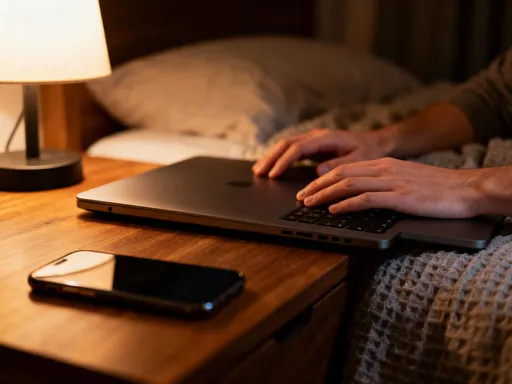
How many times have you told yourself, "Just one more quick look" at your inbox before turning off the light? I’ve lost count. It started so innocently—just wanting to stay on top of things, make sure nothing urgent slipped through. But over time, that one quick look turned into fifteen minutes. Then thirty. I’d find myself replying to messages at 11:30 PM, my eyes tired, my brain foggy, and my heart racing a little from the stress of something that could absolutely wait until tomorrow.
What I didn’t realize then was that this habit wasn’t helping me stay organized—it was doing the opposite. Every time I opened my email late at night, I was inviting stress into my sanctuary. My bedroom, which should have been a place of rest, became an extension of my to-do list. I’d lie there, mentally replaying the emails I’d read, worrying about replies I hadn’t sent, or dreading the ones waiting for me in the morning. It wasn’t just the time I was losing—it was the peace. And peace, I’ve learned, is not something you can catch up on like sleep.
My wake-up call came one night when I caught myself drafting a reply to a low-priority work request while my daughter was brushing her teeth down the hall. I wasn’t helping her pick out a book or listening to her day—I was focused on an email that didn’t matter. That moment hit me hard. I wasn’t being more responsible by checking my inbox at night. I was being distracted. And worse, I was teaching myself—and my family—that work could bleed into every hour, even the quiet ones meant for connection and rest.
Why Bedtime Is the Worst Time for Email (Even If It Feels Productive)
Here’s the truth: late-night email sessions feel productive, but they rarely are. When you’re tired, your brain isn’t in its best problem-solving mode. You’re more likely to misread tone, overreact to a message, or send a reply you’d never send in the light of day. I once responded to a neutral work email with a tone that came across as sharp—only to realize the next morning that I’d been reacting from fatigue, not clarity. That kind of emotional misstep doesn’t just create extra work; it chips away at relationships and confidence.
There’s also a biological reason why nighttime email is so disruptive. Our bodies are wired to wind down as the day ends. Exposure to blue light from screens suppresses melatonin, the hormone that helps us fall asleep. But even beyond the light, it’s the mental activation that keeps us awake. Every email is a tiny decision: Do I respond now? Should I flag this? Is this urgent? These micro-decisions keep your brain in "on" mode, making it harder to transition into rest.
Think of your mind like a kitchen at the end of the day. If you’ve just finished cooking dinner, the last thing you want is someone handing you another recipe and saying, "Just take a quick look at this." That’s what checking email before bed does. It adds mental dishes to an already full sink. Instead of feeling accomplished, you feel burdened. Instead of drifting off, you’re mentally rehearsing tomorrow’s tasks. I used to think I was being responsible by staying "on top" of things. Now I know I was just keeping my stress levels high when I should have been letting them go.
Choosing Tools That Work With Your Life, Not Against It
For years, I thought the problem was me. Maybe I just wasn’t disciplined enough. Maybe I needed more willpower. But the real issue wasn’t my habits—it was my tools. I was using an email app that treated every message the same: a new coupon from a store I’d shopped at once, a critical update from my manager, and a newsletter about gardening all showed up with equal urgency. No wonder I felt overwhelmed.
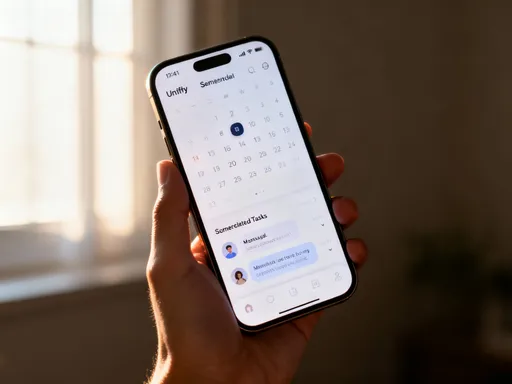
The turning point came when I switched to an email platform with a "focused inbox"—a feature that separates what it thinks are important messages from the rest. At first, I was skeptical. Could a machine really know what mattered to me? But within days, I noticed a difference. My main inbox showed only the emails from people I actually needed to respond to—my team, my family, my school. The rest—promotions, updates, newsletters—were neatly tucked away in a separate tab. I could check them when I had time, not when they demanded attention.
Another game-changer was the "scheduled send" feature. How many times have you written an email late at night and thought, "I don’t want them to think I’m working this late"? I’ve been there. With scheduled send, I can write a reply at 10 PM and set it to go out at 8 AM the next morning. It’s like having a tiny assistant who handles the timing for me. This simple tool did more than protect my image—it protected my boundaries. I no longer felt pressured to respond immediately, and I didn’t send the message late at night, which might prompt someone else to reply right then.
These tools didn’t require me to change who I was. They worked with my rhythms, not against them. I wasn’t trying to become a productivity robot. I just wanted to feel in control. And for the first time, I did.
Setting Boundaries That Stick: Building a Nightly Shutdown Ritual
Tools are powerful, but they work best when paired with intention. I realized that if I wanted to stop checking email at night, I needed a clear signal that my workday was over. So I created a simple shutdown ritual—one that takes less than five minutes but makes a huge difference.
About 30 minutes before bed, I open my email one final time. I scan for anything urgent—something that truly can’t wait. If there is, I deal with it. But most nights, there isn’t. Then I flag any messages I’ll need to address the next day. I use the "snooze" feature to have them reappear in my inbox at 9 AM. For replies I’ve drafted but don’t need to send now, I schedule them. And then—this is the important part—I close the app. Not minimize it. Not leave it open in another tab. I close it completely.
This small act gives me a sense of closure. It’s like turning off the office lights. I’m not abandoning my responsibilities. I’m organizing them so they don’t follow me into bed. I’ve also enabled "Do Not Disturb" mode on my phone after 8 PM. That means no email notifications, no pings, no red dots pulling my attention. If something is truly urgent, people know they can call me. Everything else can wait.
At first, it felt strange not to have that final check. I worried I’d miss something. But over time, I realized how rare true emergencies are. And the peace I gained—the ability to read a book, talk with my partner, or just sit quietly—was worth far more than the illusion of staying "on top" of everything.
How Managing Priority Changed My Entire Workday
Here’s something I didn’t expect: when I stopped reacting to emails at night, I started managing them with purpose during the day. Instead of letting my inbox control my attention, I began using tools to take back control. I started using labels and filters to sort messages by category—family, work projects, school updates, personal tasks. This meant I could focus on one type at a time, rather than bouncing around like a pinball.
I also began checking email in batches—three times a day, max. Once in the morning, once after lunch, and once in the late afternoon. During those times, I’d clear out what I could and schedule or flag the rest. This simple shift changed everything. I was no longer constantly interrupted. I could focus on a project without the nagging thought that I should "just check email real quick."
As a result, my workdays became calmer and more productive. I made fewer mistakes because I wasn’t rushing through replies. I had more energy for deep work—writing reports, planning lessons, brainstorming ideas—because I wasn’t mentally drained from constant switching. Meetings became shorter because I’d already clarified things over email during my focused times. And honestly, I started enjoying my job more. It felt less like a series of reactions and more like intentional action.
But the biggest change was in how I showed up at home. I wasn’t carrying the weight of unfinished emails into dinner. I wasn’t distracted by the "what ifs" of my inbox. I was present. And that presence made a difference—not just for me, but for my family.
Real Life Wins: More Time, Better Sleep, and a Lighter Mind
The real reward wasn’t just that I got more done. It was that I felt lighter. I started reading before bed again—real books, not just articles on my phone. I noticed that I fell asleep faster and woke up feeling more rested. My mind wasn’t racing through a mental to-do list. I had space to breathe.
I also found myself more patient. When my son spilled juice on the kitchen floor, I didn’t snap the way I used to. I wasn’t carrying the tension of a hundred unread emails. I could respond calmly, clean it up, and move on. That emotional resilience—being able to stay grounded even when things go wrong—is something I value deeply.
And the time I gained? It wasn’t just the 30 minutes I stopped spending on nighttime email. It was the energy I saved. That energy went into cooking a proper meal, taking a walk with my husband, helping my daughter with her homework without rushing. These moments didn’t feel small anymore. They felt like the heart of my life.
I’ll never forget the first time my daughter said, "Mom, you seem happier lately." That wasn’t because I’d achieved some big career milestone. It was because I was no longer letting my inbox steal my peace. The tools helped, yes—but more than that, it was the decision to protect my time, my sleep, and my presence that made the difference.
Starting Small: Simple Steps to Transform Your Own Nights
You don’t need to overhaul your entire digital life overnight. In fact, I don’t recommend it. Lasting change comes from small, consistent steps. Here’s where I’d suggest starting:
First, try enabling "Do Not Disturb" for email after a certain hour—maybe 8 PM, maybe 9 PM. Let your phone stop buzzing with notifications. You’ll be amazed at how much quieter your evening feels. If you’re worried about missing something urgent, set up exceptions for specific contacts—like your partner or a close family member.
Next, experiment with scheduled send. Write a reply when it’s convenient for you, but let it go out during work hours. This simple act can protect your boundaries and your reputation. It tells others, "I’m thoughtful about timing," without you having to say a word.
Then, create your own shutdown ritual. It doesn’t have to be fancy. Just a few minutes to review, flag, and close. Make it a habit, like brushing your teeth or setting the alarm. Over time, your brain will start to associate that ritual with winding down.
And finally, be kind to yourself. Some nights, you’ll check email. That’s okay. Progress, not perfection. The goal isn’t to never look at your inbox after dark. It’s to make it a choice, not a compulsion. It’s to reclaim your evenings, your sleep, and your peace—one small step at a time.
When your inbox serves you—not the other way around—your whole life feels lighter. You have more space for what matters: your family, your rest, your joy. And that, to me, is the true power of technology. It’s not about doing more. It’s about living better. So go ahead—close the app. Turn off the light. And let yourself rest, knowing you’ve already done enough.