From Couch to Confident: How Sharing My Fitness Journey With Friends Changed Everything
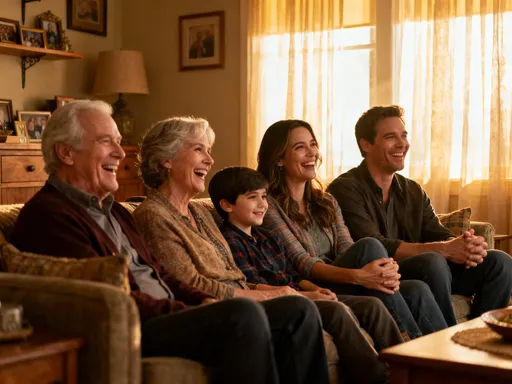
Stuck on the couch, scrolling endlessly while feeling guilty about skipping workouts—does that sound like you? I’ve been there. What changed everything wasn’t a strict diet or a fancy gym, but simply hitting “share” on my health app and inviting friends along. Suddenly, exercise wasn’t lonely or boring. It became something we laughed about, cheered over, and stuck with—together. This is how small tech steps led to big life shifts. It wasn’t about chasing perfection or posting highlights for strangers. It was about real connection, real progress, and real support from people who already knew me—and now, saw me trying.
The Solo Struggle: Why Working Out Alone Rarely Lasts
Let’s be honest—most of us start strong. We buy the workout clothes, download the apps, maybe even sign up for a class. For a few days, we’re on fire. Then life happens. The kids need help with homework. The laundry piles up. The meeting runs late. And suddenly, that 7 a.m. stretch session? Forgotten. I used to treat fitness like a secret mission—something I had to do in silence, without anyone knowing how hard it was. I’d promise myself I’d go for a walk after dinner, only to end up on the couch, scrolling through videos while guilt crept in. “I’ll do it tomorrow,” I’d say. But tomorrow turned into next week. And next week turned into never.
It wasn’t that I didn’t care. I wanted to feel stronger, more energized, more like myself. But doing it alone made everything feel heavier. There was no one to notice when I showed up. No one to say, “Hey, I saw you walked 8,000 steps today—awesome!” Without that little spark of recognition, motivation fizzled fast. Exercise became just another item on a long to-do list, one I could easily skip without consequence. And that’s the problem with going it alone: no one sees your effort, so it’s easy to believe it doesn’t matter. But here’s the truth—your effort always matters. It just helps when someone else sees it too.
A Tiny Tech Shift That Made a Big Difference
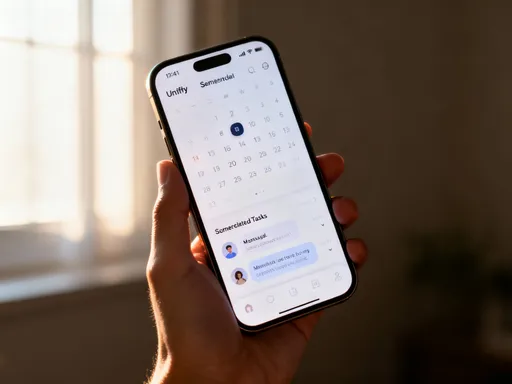
One evening, after yet another day of skipping my walk, I opened my health app out of habit. I didn’t feel proud. I didn’t even feel hopeful. I just wanted to see the numbers—the truth. And there it was: 2,347 steps. Not terrible, but not what I’d hoped for. On a whim, I tapped the “share progress” button and sent a quick summary to two close friends with a message: “This is all I managed today—proud of showing up.” I didn’t expect much. Maybe an emoji. Maybe nothing.
But within minutes, my phone buzzed. “So proud of you!” said one. “We should walk together sometime!” said the other. I stared at the screen, surprised by how much those few words lifted my mood. It wasn’t about the steps—it was about being seen. That tiny act of sharing—just one click—turned a private moment of self-doubt into a shared moment of encouragement. I didn’t need a coach or a lecture. I just needed to know someone cared. And the app? It didn’t do the walking for me, but it gave me a way to connect when I felt too tired to pick up the phone.
From that night on, I started sharing more—not to brag, but to stay accountable. I’d send a quick update after my morning stretch or a photo of my sneakers by the door as a “I’m about to go!” signal. My friends did the same. We weren’t chasing records or posting for likes. We were building a quiet, steady rhythm of support. And slowly, I started showing up more—not just for my health, but for them. Because now, my effort wasn’t invisible. It was part of a conversation. It mattered.
Turning Apps Into Bridges, Not Just Trackers
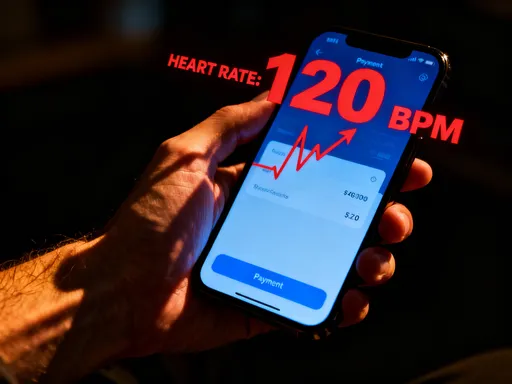
Health apps can feel cold, right? All numbers, no heart. Step counts, heart rates, sleep scores—it’s easy to get overwhelmed or discouraged. I used to look at my data and feel like I was being graded. “Only 6 hours of sleep? Try harder.” “Missed your step goal? Fail.” It turned self-care into a report card, and I was always coming up short. But then I realized: the app wasn’t the problem. It was how I was using it. What if, instead of a judge, I used it as a bridge? A way to reach out, not measure up?
So I changed how I used it. Instead of just tracking, I started sharing. I sent my friend a screenshot when I hit 10,000 steps with a note: “We did it!”—even though she wasn’t walking with me. It became our little joke, our shared win. When she had a tough day and only managed 1,500 steps, she sent me a photo of her feet up on the couch with “Resting is part of the journey too.” And you know what? It was. We stopped chasing perfection and started celebrating presence. The app didn’t change—but my relationship with it did.
We created a small group in the app, just the three of us. Every evening, someone would post a quick update: “Walked with the dog—3K steps!” or “Danced while making dinner—bonus cardio!” We didn’t pressure each other. We didn’t compare. We just showed up, shared, and said, “I see you.” And that made all the difference. The data wasn’t cold anymore. It was warm with care. A step count wasn’t just a number—it was a way of saying, “I’m trying. I’m here.”
How Friendly Competition Actually Builds Support
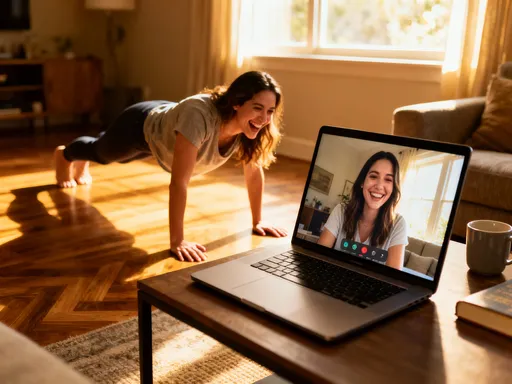
Now, when I say “competition,” I don’t mean intense leaderboards or public rankings. I mean the kind of playful push that comes from friendship. The “Oh, you walked 7,000 steps? Watch me hit 8,000 before dinner!” kind of fun. One weekend, my best friend and I challenged each other to a “Stair Climb Showdown” using our app’s elevation tracker. We live in different cities, so we couldn’t climb the same stairs—but we could each tackle our own buildings and send updates.
I recorded a silly voice note at the top of my apartment stairs: “Floor 3… heart pounding… may not survive…” She replied with one from her office building: “Floor 5… I think I see heaven…” We were laughing so hard we almost forgot we were exercising. But we kept going—because we wanted to win, yes, but more than that, we wanted to share the moment. That’s the magic of friendly competition: it’s not about beating each other. It’s about playing together.
Unlike gym challenges that can feel intimidating or exclusive, this felt light and inclusive. We weren’t athletes. We were moms, workers, busy women just trying to move more. And the app gave us a way to turn that effort into a game. We set small, fun goals: “Let’s both hit 7,500 steps on Tuesday,” or “Who can take the most photos of their walking shoes this week?” It wasn’t serious—but it was effective. Because when exercise feels like joy, not duty, you’re way more likely to keep doing it.
Making Movement a Shared Language
Over time, something beautiful happened: talking about movement became natural. It wasn’t awkward or pushy. A simple “How many steps today?” became part of our daily chat, like asking about the weather or the kids’ school day. We didn’t need big speeches about health or fitness. We just checked in—through the app, through texts, through quick calls. “Saw your walk this morning—love that for you!” or “Only 1K steps? Everything okay?”
And that last one? It wasn’t nosy. It was caring. When one of us had a low-activity day, the others noticed. Not because we were policing each other, but because we cared. We knew that a drop in steps could mean a tough day, a headache, a stressful meeting. So we’d reach out: “Need to vent? Want to walk later?” The app didn’t replace conversation—it sparked it. It gave us a gentle, non-intrusive way to say, “I’m here for you.”
That kind of support changed everything. I no longer felt like I had to hide my off days. I could say, “Today was hard,” and know I wouldn’t be judged. My friends did the same. We celebrated the highs and held space for the lows. And slowly, movement became less about numbers and more about connection. It wasn’t just about getting healthier—it was about staying close, even when life pulled us in different directions.
Building Habits That Stick—Together
Habits are hard to build alone. We all know that. But they stick faster when they’re woven into relationships. Because now, it’s not just about you. It’s about showing up for someone else, too. I started taking that evening walk not just because I wanted to, but because I knew my friend would see it in the app. She started doing morning stretches because we promised to send “Good morning, body!” photos every day. We didn’t always make it—but when we did, it felt like a win.
The app didn’t force us to change. It just made our efforts visible. And when something is visible, it’s easier to honor. I was more likely to lace up my shoes if I knew someone would notice. I was more likely to stretch after dinner if I could send a quick update. It wasn’t about pressure—it was about partnership. We were in it together. And that made the difference between giving up and going on.
Over months, our shared commitment turned exercise from a chore into a ritual. It became something we looked forward to, not dreaded. We planned walks during phone calls. We celebrated “step milestones” with virtual coffee dates. We even started a shared playlist of upbeat songs to walk to. The habit wasn’t just about movement—it was about making time for ourselves and each other. And the app? It was the quiet thread that held it all together.
Stronger Bodies, Closer Bonds: The Real Reward
Let’s talk about results. Yes, I’ve walked more. Yes, I feel stronger. Yes, my energy has improved. But the biggest change wasn’t in my body—it was in my relationships. The real win wasn’t a lower number on the scale or a faster walk. It was feeling closer to people I already loved. It was knowing that, even when we were miles apart, we were moving through life together.
We didn’t just grow fitter. We grew more connected. Through late-night messages, weekend walks, and app notifications that felt like high-fives, we built a culture of care. We celebrated each other’s progress without envy. We supported each other’s setbacks without judgment. We turned health into something we did *with*, not just *for*.
And here’s what I’ve learned: technology doesn’t replace human warmth. It can’t hug you or make you tea. But it can help that warmth travel farther. It can turn a silent effort into a shared journey. It can make you feel seen, even on the days you’re too tired to speak. All it takes is one tap—“share progress”—and a willingness to let someone in.
So if you’re sitting on the couch, feeling stuck, wondering if you should give up—don’t. Try sharing instead. Send that update. Invite a friend. Make it small, make it simple, make it kind. You don’t need a perfect routine or a fancy plan. You just need one person who’ll say, “I’m proud of you.” And sometimes, that’s enough to keep you going—one step, one day, one shared moment at a time.