How Yoga and TCM Healing Changed My Daily Struggle with Chronic Stress
Living with constant fatigue and low energy used to be my normal—until I discovered the quiet power of yoga, meditation, and traditional Chinese medicine. I wasn’t looking for a miracle, just relief. What I found was a complete shift in how I manage my well-being. This is not about curing illness, but about creating balance. By blending ancient wisdom with daily practice, I’ve learned to listen to my body, reduce flare-ups, and reclaim calm. If you’re tired of quick fixes that don’t last, this journey might resonate with you.
The Breaking Point: When Modern Medicine Wasn’t Enough
For years, I moved through life feeling like a dimmed light. I woke up exhausted, even after eight hours of sleep. My muscles ached without cause, my digestion was unpredictable, and my mind raced even during quiet moments. I visited doctors, underwent blood tests, and tried prescription medications aimed at managing symptoms. While some treatments offered temporary relief, none addressed the root of how I felt—drained, disconnected, and stuck in a cycle of stress and recovery that never quite reached recovery.
The emotional toll was just as heavy as the physical one. I felt frustrated, as though I was failing at something fundamental: taking care of myself. I followed the advice—ate well, exercised, tried to rest—but nothing stuck. There was a quiet shame in not being able to 'snap out of it,' especially when others seemed to handle busier lives with ease. I began to suspect that my body was sending messages I wasn’t equipped to understand. That realization marked a turning point: I needed to look beyond symptom management and explore approaches that honored the whole system—mind, body, and daily rhythm.
This wasn’t a rejection of Western medicine. I value its diagnostics, emergency care, and scientific rigor. But I also recognized its limits when it came to chronic, low-grade conditions shaped by lifestyle, emotion, and long-term stress. I began searching for integrative paths—not as alternatives, but as complements. That search led me to traditional Chinese medicine (TCM) and a more intentional practice of yoga, both of which offered frameworks for understanding imbalance not as failure, but as information.
Understanding the Mind-Body Connection Through TCM Lens
Traditional Chinese medicine operates on a different logic than Western biomedicine. Instead of isolating organs or chemicals, TCM views the body as an interconnected network of energy, function, and rhythm. At its core are concepts like Qi (pronounced “chee”), the vital life force that flows through the body, and the balance of Yin and Yang, representing opposing yet complementary forces—such as rest and activity, coolness and warmth, inward and outward focus. Health, in this view, is not merely the absence of disease but the dynamic equilibrium of these elements.
One of the most profound insights from TCM is that emotions are not separate from physical health—they are deeply woven into the body’s energetic system. For example, prolonged anger or frustration is linked to the Liver in TCM, not because it causes liver disease in the Western sense, but because emotional tension can disrupt the smooth flow of Qi through the Liver meridian. This disruption may manifest as physical signs such as headaches, muscle tightness, irritability, or digestive discomfort. Similarly, chronic worry affects the Spleen and Stomach systems, potentially leading to fatigue, poor appetite, or bloating.
This perspective helped me reframe my symptoms. Instead of seeing my fatigue as a personal shortcoming, I began to understand it as a signal—perhaps my Qi was stagnating, or my Yin energy, responsible for rest and repair, was depleted from years of overdoing. TCM doesn’t promise instant cures, but it offers a language for listening. By recognizing emotional stress as a physical force, I could begin to respond with care rather than criticism. Practices that support Qi flow—like gentle movement, mindful breathing, and consistent rest—became not luxuries, but necessities.
Modern science increasingly supports this mind-body link. Research in psychoneuroimmunology shows how chronic stress affects inflammation, hormone regulation, and immune function. While TCM terminology differs from medical jargon, the underlying message aligns: how we feel emotionally shapes how we feel physically. This doesn’t mean ignoring medical diagnosis—it means expanding the toolkit for healing.
Why Yoga? Not Just Stretching, But Energetic Alignment
My first attempts at yoga were driven more by curiosity than conviction. I had tried fitness classes, stretching routines, and even Pilates, but nothing created lasting change. When I finally attended a slow, breath-centered yoga session rooted in Hatha and Yin traditions, something shifted. It wasn’t about how deep I could go into a pose, but how present I could be within it. The instructor emphasized alignment not for aesthetics, but for energy flow. That resonated with what I was learning in TCM—that movement should support, not deplete, the body’s resources.
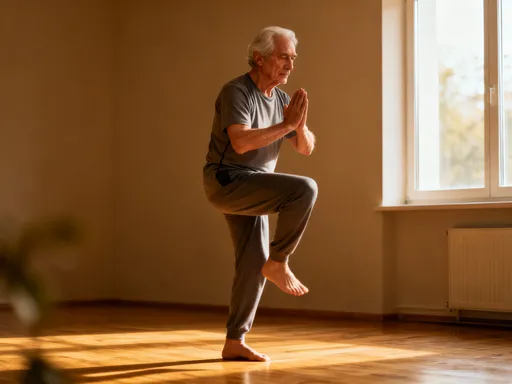
I began experimenting with different styles. Vigorous Vinyasa classes left me energized at first, but over time, they often deepened my fatigue. In contrast, gentle Yin yoga, which involves holding passive poses for several minutes, helped me access a deeper sense of release. Poses like Child’s Pose, Seated Forward Bend, and Supported Bridge began to feel less like exercises and more like invitations to restore. I learned that certain postures correspond with TCM meridians—for example, forward bends gently compress the Liver and Kidney pathways, which are often strained by stress and overwork.
Breathwork, or pranayama, became just as important as the poses. Simple techniques like diaphragmatic breathing or the extended exhalation breath activated my parasympathetic nervous system, signaling safety to the body. I started linking breath to movement in a way that felt rhythmic and calming, rather than forced. Over time, I noticed subtle changes: my shoulders stayed lower, my sleep improved, and I reacted less sharply to daily stressors.
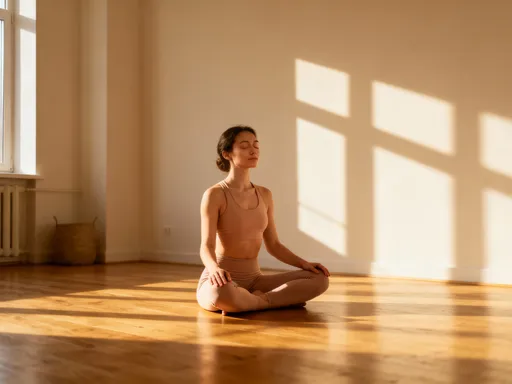
The real transformation came not from intensity, but from consistency. Practicing just 15 to 20 minutes a day—focusing on breath, gentle stretches, and mindful transitions—created a cumulative effect. My body began to expect this daily reset. I stopped measuring progress by flexibility or strength and started noticing how I felt throughout the day: more grounded, less reactive, more resilient. Yoga, in this light, wasn’t just physical exercise—it was a daily act of energetic alignment.
Meditation That Actually Fits Real Life (No Cushion Required)
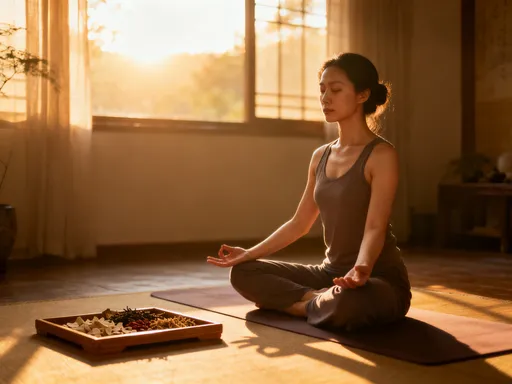
For a long time, I thought meditation required stillness, silence, and a perfect corner of the house with incense and a cushion. The truth is, I didn’t have that kind of space or time. What changed was learning that meditation doesn’t have to look a certain way. It can happen while washing dishes, walking to the mailbox, or waiting for the kettle to boil. Mindfulness, at its core, is about presence—returning attention to the current moment, again and again.
I started small. One technique I found helpful was breath awareness during routine tasks. While folding laundry, I’d notice the rhythm of my inhale and exhale. While walking the dog, I’d tune into the sensation of my feet touching the ground. These micro-practices didn’t require extra time—they simply transformed existing moments. Over weeks, I began to notice a shift in my emotional baseline. I was less likely to spiral into anxiety over small setbacks. I could pause before reacting, even in tense conversations with family or during a hectic day.
Walking meditation became a favorite. Instead of rushing from one place to another, I’d walk slowly, feeling each step, noticing the air on my skin, the sounds around me. This practice, rooted in both mindfulness traditions and TCM’s emphasis on grounding, helped me feel more connected to my body and surroundings. I also began incorporating short pauses—just one minute of closing my eyes and breathing deeply—between tasks. These breaks weren’t escapes; they were resets.
The benefits weren’t dramatic at first, but they were real. I felt less mentally cluttered. My mood became more stable. I stopped seeing meditation as something I ‘should’ do and started recognizing it as a tool for emotional regulation. It wasn’t about emptying the mind, but about creating space between stimulus and response. That space, however small, became a refuge.
Daily Routines That Support Long-Term Balance
One of the most empowering lessons from TCM is that health is built in the small, repeated choices of daily life. It’s not about perfection, but about rhythm. I began designing a simple morning and evening routine that reflected both TCM principles and my practical reality as a woman with responsibilities, not endless free time.
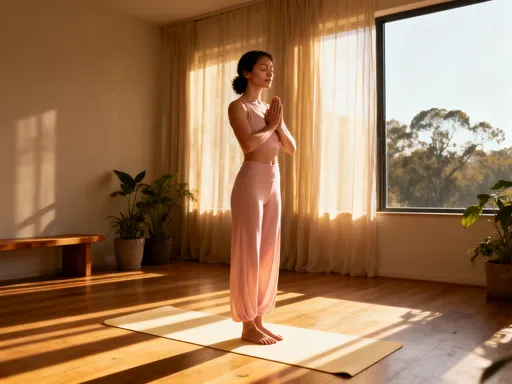
Each morning, I start with hydration—a glass of warm water with a slice of lemon. In TCM, warm liquids support digestion and help awaken the Spleen and Stomach systems gently, unlike ice-cold drinks that can slow metabolic function. After that, I spend 10 to 15 minutes on gentle movement: a few yoga stretches, some neck rolls, and deep breathing. This isn’t a workout; it’s a signal to my body that the day has begun with care. I also take a moment to set an intention—not a grand goal, but a simple focus like ‘stay present’ or ‘be kind to myself.’
In the evening, I wind down with a similar rhythm. I avoid screens an hour before bed and instead read, journal, or do a few restorative poses. Legs-Up-the-Wall pose has become a nightly staple—it’s passive, calming, and helps drain fluid from the legs while encouraging relaxation. I also pay attention to what I eat and when. TCM emphasizes eating in harmony with the seasons—warmer, cooked foods in winter; lighter, cooling foods in summer. I’ve learned to eat my largest meal at midday, when digestive fire is strongest, and keep dinner simple and early.
These habits didn’t transform my life overnight. But over months, they built a foundation of resilience. During stressful periods—family challenges, work deadlines, seasonal changes—I noticed I didn’t collapse as easily. My body had tools, and my routine gave me structure. The key was sustainability: choosing practices that felt nourishing, not burdensome.
Navigating Flare-Ups: Prevention vs. Reaction
Even with a consistent routine, stress still arises. The difference now is that I can recognize the early signs of imbalance before they escalate. In the past, I’d ignore subtle cues—poor sleep, irritability, a tight jaw—until they turned into full-blown fatigue or digestive issues. Now, I treat these signals as invitations to adjust, not signs of failure.
One of the most useful tools has been learning to modulate my yoga practice based on how I feel. On high-energy days, I might include a few more active poses. On low-energy days, I switch to restorative or Yin yoga, or skip the mat entirely and focus on breathwork. I’ve also learned a few simple acupressure points that I can use at home. For example, pressing the point between the eyebrows (Yintang) can calm the mind, while gently massaging the inside of the wrist (Pericardium 6) may support emotional balance and digestion.
Diet plays a role too. When I notice stress building, I avoid heavy, greasy, or overly sweet foods, which can burden the Spleen and Stomach in TCM terms. Instead, I focus on warm, easy-to-digest meals like soups and stews. I also prioritize rest, even if it means saying no to something non-essential. These adjustments aren’t about fixing myself—they’re about honoring my current state and supporting my body’s natural ability to rebalance.
The goal isn’t to eliminate stress—life will always have challenges. It’s about reducing the frequency and intensity of flare-ups by staying attuned. This approach has given me a sense of agency. I’m no longer at the mercy of my symptoms; I have a map for navigating them.
Integrating Wisdom Without Replacing Care
Throughout this journey, I’ve remained in contact with my healthcare providers. I don’t see yoga or TCM as replacements for medical care, but as valuable complements. When I had persistent digestive issues, I got tested. When I needed medication, I took it. But alongside those treatments, I used lifestyle practices to support healing from within. This integrative mindset has been key—honoring science while also respecting ancient wisdom.
It’s important to emphasize that these tools are not one-size-fits-all. What works for me may need adaptation for someone else. That’s why listening to your own body is essential. There’s no dogma here—only exploration, patience, and self-compassion. Wellness isn’t a destination; it’s an ongoing process of tuning in and adjusting.
Looking back, the greatest shift hasn’t been in my energy levels—though they’ve improved. It’s in my relationship with myself. I’ve learned to respond to discomfort with curiosity rather than judgment. I’ve made peace with the fact that balance isn’t constant; it’s something I return to, again and again. The practices I’ve adopted—yoga, meditation, mindful routines—are not quick fixes. They are quiet commitments to showing up for myself, day after day. And in that consistency, I’ve found a deeper, more sustainable kind of calm.