How I Beat Daily Fatigue with Simple Moves Anyone Can Try
Feeling tired all the time? You’re not alone. Modern life drains energy fast—long hours, screen overload, and poor movement habits. I was stuck in that cycle too, until I discovered how small, consistent exercises could reset my energy. No extreme workouts or magic fixes—just science-backed, doable moves that fit into real life. This is what actually worked for me, and why movement might be the missing key to your fatigue relief.
The Hidden Cause of Chronic Tiredness
Many people assume fatigue comes from not getting enough rest, but the real culprit is often not inactivity’s opposite—too much exertion—but rather too little motion. In modern daily life, especially for women managing homes, careers, or caregiving, long stretches of sitting have become the norm. Whether at a desk, in front of a screen, or behind the wheel, hours pass without meaningful movement. This physical stagnation slows blood circulation, reduces oxygen delivery to the brain and muscles, and signals the body to conserve energy, mimicking a state of fatigue—even when sleep hours are adequate.
What many don’t realize is that the body operates on a principle similar to momentum: just as it takes effort to start a car rolling, it also takes effort to stop it. This concept, sometimes called 'energy inertia,' explains why staying still makes you feel more tired, not less. When muscles remain inactive, metabolic waste products build up, and the brain receives fewer stimulating signals from the body. Over time, this creates a feedback loop—low movement leads to low energy, which leads to even less movement. The result is a persistent sense of heaviness, mental fog, and irritability that many mistake for stress or aging.
Breaking this cycle doesn’t require intense effort. Instead, it begins with awareness. Recognizing that fatigue isn’t always a sign to rest more—but sometimes a signal to move more—can shift the entire approach to daily energy. The body isn’t designed for prolonged stillness; it thrives on rhythm, variation, and gentle activation. Even small disruptions to sitting—standing up, stretching, walking to another room—can interrupt the inertia and begin to restore natural energy flow. The key is consistency, not intensity.
Why Exercise Actually Boosts Energy (Not Drains It)
It seems counterintuitive: how can doing more—moving more—leave you with more energy? For years, the belief has persisted that physical activity depletes energy reserves, especially for those already feeling drained. But decades of research in physiology and neuroscience tell a different story. Exercise, particularly low-to-moderate intensity movement, doesn’t drain energy—it enhances the body’s ability to produce and use it efficiently. At the cellular level, regular activity improves mitochondrial function. Mitochondria are the powerhouses within cells, responsible for converting nutrients into usable energy. When they’re stimulated through movement, they multiply and become more effective, essentially turning muscles into better energy factories.
Beyond the cellular changes, movement triggers a cascade of beneficial neurochemical responses. It increases blood flow to the brain, delivering more oxygen and glucose—key fuels for mental clarity and alertness. It also stimulates the release of endorphins, dopamine, and norepinephrine—chemicals that elevate mood, sharpen focus, and reduce the perception of fatigue. These effects are not limited to long or strenuous workouts. Even brief, gentle activity—like a five-minute walk or a few minutes of stretching—can produce measurable improvements in energy and cognitive function.
What’s important to understand is that exercise doesn’t have to mean gym sessions or running. For the purpose of fighting fatigue, the goal isn’t performance or appearance—it’s function. Low-intensity, sustainable movement is the most effective tool because it can be repeated daily without strain. Walking, light resistance work, or even standing with gentle shifts in posture can activate the body’s energy systems without triggering the stress response that high-intensity workouts might. The result is a gradual, steady increase in baseline energy—not a temporary spike followed by a crash.
My Go-To Routine: Three Moves That Made a Difference
When I first tried to address my constant tiredness, I made the common mistake of aiming too high. I signed up for a fitness class, bought workout gear, and planned hour-long sessions—only to quit within two weeks. The turning point came when I shifted my focus from intensity to consistency. I began with just three simple, accessible movements that required no special equipment, no gym membership, and only a few minutes a day. These weren’t dramatic changes, but over time, they transformed how I felt.
The first was daily walking. I started with just ten minutes after lunch, walking around the block or pacing the hallway while on the phone. The rhythm of walking, the change in scenery, and the fresh air created an immediate shift in my mental state. Over time, I increased to 20 or 30 minutes most days. Walking is uniquely effective because it’s rhythmic, low-impact, and easy to sustain. It gently raises heart rate, improves circulation, and clears the mind. For many women in midlife, walking also offers a rare moment of solitude—a chance to breathe, reflect, and reset.
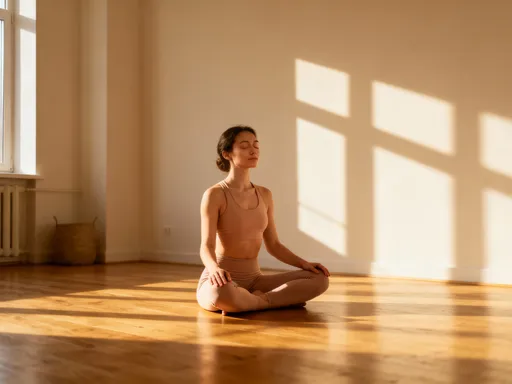
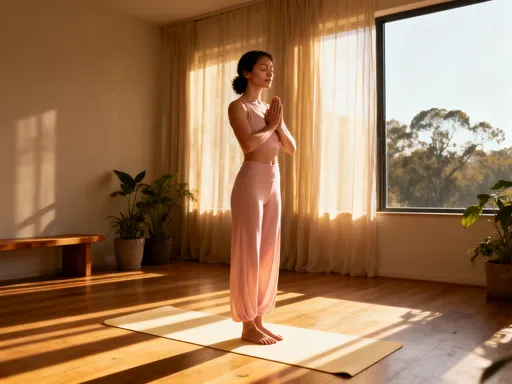
The second move was morning stretching. Each day, before getting out of bed, I spent three to five minutes doing simple stretches: reaching arms overhead, rolling the shoulders, bending the knees, and gently twisting the spine. This routine took almost no effort, but it signaled to my body that the day had begun. It reduced stiffness, improved joint mobility, and increased blood flow after hours of stillness. I noticed that on days I skipped it, I felt heavier and slower. On days I did it, even if I was tired, I moved with more ease.
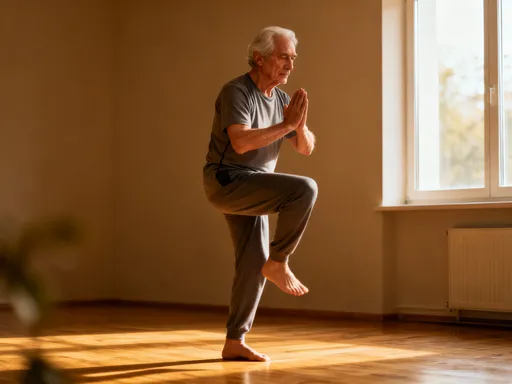
The third was short resistance sessions—two or three times a week, I did a five- to ten-minute routine using body weight. This included wall push-ups, seated leg lifts, and standing squats. I often did them during commercial breaks while watching TV or while waiting for dinner to cook. These movements built strength gradually, improved posture, and increased muscle tone, which in turn supported better metabolism and energy use. The key was making them fit into my life, not the other way around. Over several months, these three practices became habits, and the energy boost they provided became reliable.
When and How to Move for Maximum Effect
Timing can make a big difference in how effective movement is for fighting fatigue. The body follows natural rhythms—circadian and ultradian cycles—that influence energy levels throughout the day. Aligning movement with these rhythms can amplify its benefits. For example, the early morning, shortly after waking, is an ideal time to activate the body. A few minutes of stretching or light movement helps reset the nervous system, increases alertness, and sets a positive tone for the day.
Another strategic moment is after meals, especially lunch. Many people experience a post-lunch dip in energy, often leading to the urge to nap or reach for caffeine. A 10- to 15-minute walk after eating not only helps regulate blood sugar but also boosts circulation and mental clarity. For office workers or remote employees, stepping outside or pacing indoors can prevent the afternoon slump. Even standing up and doing a few gentle movements at the desk—like shoulder rolls or ankle circles—can make a noticeable difference.
Evening movement should be gentler, focusing on relaxation and recovery. A short walk after dinner, light stretching, or restorative yoga poses can aid digestion, reduce tension, and prepare the body for quality sleep. The goal isn’t to exhaust but to transition smoothly from activity to rest. For parents or caregivers with unpredictable schedules, the key is flexibility. Movement doesn’t have to happen at a set time—it can be woven into daily tasks. Carrying groceries, gardening, or playing with children all count as physical activity when done with awareness and intention.
The most effective approach is to plan movement around natural energy dips rather than waiting for motivation. Motivation often follows action, not the other way around. By scheduling short movement breaks—like a two-minute stretch every hour or a five-minute walk after a meeting—fatigue can be managed proactively. These micro-movements accumulate, preventing the buildup of stiffness and mental fog that come from prolonged stillness.
The Mental Shift: From 'I’m Too Tired' to 'This Gives Me Energy'
One of the biggest obstacles to moving more is the belief that you need energy to start. The thought 'I’m too tired to exercise' feels logical, even justified. But this mindset traps many in a cycle where fatigue prevents movement, and lack of movement deepens fatigue. The truth is, movement doesn’t require energy as a prerequisite—it generates energy as a result. The shift begins not with a grand effort, but with a small decision: to move for just two minutes, even when you don’t feel like it.
Starting small breaks the psychological barrier. Doing a single stretch, standing up and reaching for the ceiling, or walking to the end of the driveway and back—these tiny actions prove that movement is possible, even in fatigue. More importantly, they often lead to feeling slightly better. This creates a positive feedback loop: a small win builds confidence, which makes the next attempt easier. Over time, this builds what psychologists call 'behavioral momentum'—the tendency for small actions to lead to larger, more consistent ones.
Another part of the mental shift is redefining success. For years, physical activity was measured by calories burned, steps taken, or weight lost. But for fatigue relief, success looks different. It’s measured in how you feel—whether you can focus better, whether you laugh more easily, whether getting out of bed feels less like a struggle. When the goal is energy, not appearance, the pressure to perform disappears. Movement becomes self-care, not punishment. It becomes something you do for yourself, not something you have to endure.
This shift in mindset doesn’t happen overnight. It grows through repetition and gentle persistence. It’s supported by self-compassion—acknowledging that some days will be harder, and that’s okay. The goal isn’t perfection, but progress. Each time you choose movement over stillness, even in a small way, you reinforce the belief that you have agency over your energy. And that belief, more than any single exercise, is what makes lasting change possible.
Supporting the Change: Sleep, Hydration, and Listening to Your Body
Movement is powerful, but it works best when supported by other foundational habits. Sleep is one of the most critical. While movement can improve sleep quality, the reverse is also true—poor sleep undermines the benefits of physical activity. Aiming for consistent sleep and wake times, creating a calming bedtime routine, and minimizing screen exposure before bed can all support deeper, more restorative rest. The body repairs and recharges during sleep, and without it, even the best movement routine may fall short.
Hydration is another key factor. Even mild dehydration can cause fatigue, headaches, and difficulty concentrating. The body needs water to transport nutrients, regulate temperature, and support cellular function. For women, especially those in perimenopause or menopause, staying hydrated becomes even more important as hormonal changes can affect fluid balance. Drinking water throughout the day—starting with a glass in the morning—can make a noticeable difference in energy levels. Herbal teas and water-rich foods like fruits and vegetables also contribute to hydration.
Equally important is learning to listen to your body. There’s a difference between fatigue that calls for rest and fatigue that calls for movement. Some days, the body needs quiet and recovery. Other days, it needs activation and stimulation. Tuning in to physical signals—like stiffness, heaviness, or mental fog—can guide when to move and when to pause. This awareness fosters a more intuitive, sustainable approach to health. It prevents burnout and honors the body’s natural rhythms.
These supporting habits don’t require perfection. They’re about small, consistent choices—drinking a little more water, going to bed 15 minutes earlier, pausing to notice how you feel. When combined with regular movement, they create a foundation that makes energy more stable and reliable. The result is not just less fatigue, but a greater sense of well-being and control.
Building a Sustainable Energy Lifestyle
Lasting relief from daily fatigue isn’t about finding a single solution or quick fix. It’s about building a lifestyle where movement and self-care are woven into the fabric of daily life. This isn’t about drastic changes or rigid routines—it’s about small, repeatable actions that add up over time. The woman who stretches for three minutes each morning, walks during her lunch break, and drinks an extra glass of water isn’t doing anything extraordinary. But collectively, these choices create a powerful shift in how she feels and functions.
Energy is not a fixed trait—it’s a dynamic state that responds to daily habits. By choosing movement, even in small doses, you send a message to your body that you are active, engaged, and capable. You break the inertia of stillness and awaken the body’s natural vitality. Over time, this becomes self-reinforcing: more movement leads to more energy, which makes it easier to move more. The cycle flips from fatigue to momentum.
For women managing busy households, careers, or caregiving roles, this approach is especially valuable. It doesn’t require extra time or resources—just a shift in perspective. Movement isn’t another task to add to the list; it’s a way to enhance everything else on the list. It improves focus, reduces stress, and increases resilience. It allows you to show up more fully—for your family, your work, and yourself.
Fatigue doesn’t have to be a permanent condition. It’s not a sign of weakness or a life sentence. It’s often a signal—a whisper from the body asking for movement, for rhythm, for care. By responding with small, consistent actions, you reclaim your energy not through force, but through gentle, daily choices. And in that process, you discover something powerful: that you have the ability to change how you feel, one step, one stretch, one breath at a time.